How to Choose Heavy Duty Sliding and Folding Doors?
When selecting Heavy-Duty Sliding & Folding Doors, it's essential to consider various factors that impact performance and aesthetics. The global market for sliding doors is projected to grow significantly, reaching $37 billion by 2027, according to a report by Grand View Research. This growth reflects a rising demand for efficient space solutions in residential and commercial settings.
Choosing the right door is not just about style. Functional durability is vital. A study by the National Association of Home Builders indicates that high-quality sliding doors can enhance energy efficiency by up to 30%. However, many overlook the importance of material selection and operational ease. While glass options offer aesthetic appeal, heavy-duty aluminum provides robust strength.
In this evolving market, every choice counts. Buyers should also be mindful of installation and maintenance needs. Ignoring these aspects might lead to costly repairs down the line. Thus, making an informed decision is crucial for ensuring both practicality and longevity in your investment.
Understanding the Differences Between Sliding and Folding Doors
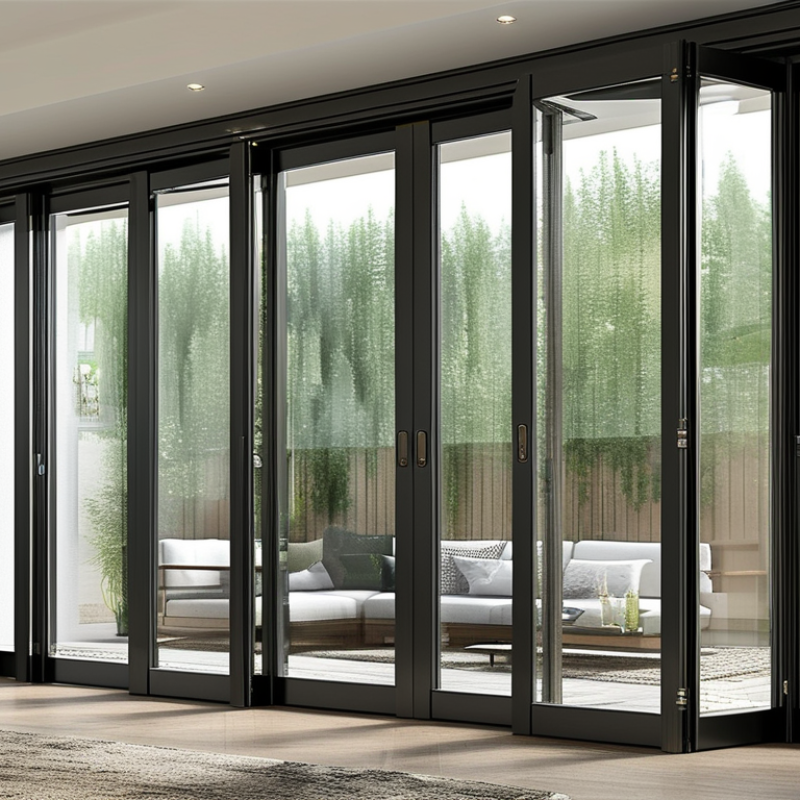
When considering sliding and folding doors, understanding their differences is crucial. Sliding doors operate on a track system, moving smoothly along a horizontal plane. They require less space in front of the door. Conversely, folding doors, or bi-folds, hinge open in sections, allowing for wider openings. The two options serve different purposes in residential and commercial spaces.
Reports show that approximately 60% of homeowners prefer sliding doors for patios, as they maximize luxurious views. They blend indoor and outdoor living seamlessly. In contrast, folding doors are favored for their versatility in spaces such as cafes or open offices. They create adaptable environments, accommodating larger gatherings. However, they can require more maintenance due to their folding mechanisms.
In decision-making, weight and material come into play. Heavy-duty doors are typically made of aluminum or vinyl, ensuring durability. Depending on the project, the choice impacts both aesthetics and safety. Installation complexity may also differ. While sliding doors might fit easily in a tight space, folding doors may need additional framing. Being aware of your layout is essential. Balancing functionality with aesthetic appeal leads to a more informed choice.
Assessing the Structural Requirements for Heavy Duty Doors
When considering heavy-duty sliding and folding doors, structural requirements are essential. The weight of the doors can affect installation. It is crucial to assess the load-bearing capacity of walls and frames. If the structure cannot support the doors, it may lead to failure. This issue requires careful planning.
Examine the overall design of the space. Consider factors like ceiling height, wall strength, and floor load. Use materials that complement the structure. The choice of tracks and rollers will also influence functionality. Inspecting the existing frameworks can unveil underlying issues that need addressing. Pre-existing damage or decay can be problematic. Make sure to consult an expert if there are uncertainties.
Do not overlook the importance of local building codes. Regulations may dictate specific requirements. Failure to comply can result in costly revisions or unsafe conditions. Document all findings and decisions. This can provide clarity during the installation process. Make adjustments along the way. Structural needs may evolve as work progresses. Adapting to challenges is part of the process.
Choosing the Right Materials for Durability and Aesthetics
When choosing heavy-duty sliding and folding doors, the materials you select play a crucial role in both functionality and aesthetics. Durable materials contribute to the longevity of these doors. For instance, aluminum and fiberglass are known for their strength and resistance to the elements. These materials can withstand harsh weather conditions while maintaining their appearance. Consider how often the doors will be used. High traffic areas may require sturdier options.
Wood is another popular choice, offering natural beauty. However, it can be susceptible to warping and moisture damage. To mitigate this, look for treated or engineered wood options. They provide better durability without sacrificing visual appeal. The finish on the doors can also impact their overall durability. A high-quality sealant can protect wood from damage, extending its life.
In addition to the material, the design can influence the aesthetic value. Sleek lines and modern finishes can complement contemporary spaces. On the other hand, traditional designs often add warmth to rustic settings. Reflect on your home’s style before making a decision. Remember, no material is perfect; each has its pros and cons. A well-informed choice balances both durability and aesthetics, enhancing your space effectively.
How to Choose Heavy Duty Sliding and Folding Doors? - Choosing the Right Materials for Durability and Aesthetics
| Material | Durability Rating | Aesthetic Appeal | Weight Capacity | Cost (per square foot) |
| Aluminum | High | Sleek Modern Look | Up to 600 lbs | $30 - $50 |
| Wood | Medium | Warm and Inviting | Up to 500 lbs | $25 - $45 |
| Vinyl | Low | Variety of Colors | Up to 300 lbs | $15 - $30 |
| Fiberglass | High | Elegant Finish | Up to 600 lbs | $40 - $60 |
Evaluating Operational Mechanisms and Locking Systems
When selecting heavy-duty sliding and folding doors, focus on the operational mechanisms. Examine how the doors open and close. Smooth operation is crucial for durability and user experience. Look for roller systems that can support the weight of the doors. A high-quality track system is essential. If it feels flimsy during tests, reconsider your choice.
Locking systems are another critical aspect. Effective locks ensure security and peace of mind. Biometric or smart locks can add convenience but may require specific installation knowledge. Traditional deadbolts can offer robust security. Testing these locks before purchase is wise. Does it engage smoothly? Is it easy to operate?
Always reflect on your needs. Consider the frequency of use and the environment. A commercial space may require different specifications than a home. Don’t overlook the importance of installation. Poor installation will compromise even the best products. Prioritize quality in both doors and mechanisms.
Considering Environmental Factors and Maintenance Needs
When choosing heavy-duty sliding and folding doors, considering environmental factors is essential. These doors can impact energy efficiency. It is crucial to evaluate the materials used. For instance, wood doors may require more maintenance than aluminum. Think about the climate in your area. Harsh weather can affect door durability and functionality.
Tips for maintenance: Regularly inspect the tracks for debris. Clean them to ensure smooth operation. Lubricate hinges and rollers every few months. This can extend the lifespan of your doors.
Reflect on the energy efficiency of your choice. Double-glazed doors can offer better insulation. They reduce heating and cooling costs. Consider the environmental impact of production and disposal. Sustainable materials may be a wise choice for long-term use.
Environmental Impact and Maintenance Needs of Heavy Duty Sliding and Folding Doors