How to Choose the Right Deck Lag Screws for Your Projects?
Choosing the right Deck Lag Screws is crucial for any successful outdoor project. These heavy-duty fasteners provide stability and strength to your deck structure. When selecting deck lag screws, several factors must be considered. The material, size, and corrosion resistance are essential characteristics that affect performance and longevity.
Understanding the importance of each factor can help you make informed decisions. For instance, stainless steel screws are ideal for coastal areas where moisture is prevalent. Alternatively, galvanized screws may suffice for less humid environments. It's easy to overlook the significance of quality when buying deck lag screws. Inexperienced buyers often choose based on price, which can lead to issues down the line.
Reflecting on personal experiences, many have faced challenges due to poor screw choices. Weight loads, building codes, and local weather conditions should influence your selection. Remember, the right deck lag screws not only affect structural integrity but also your project's overall safety.
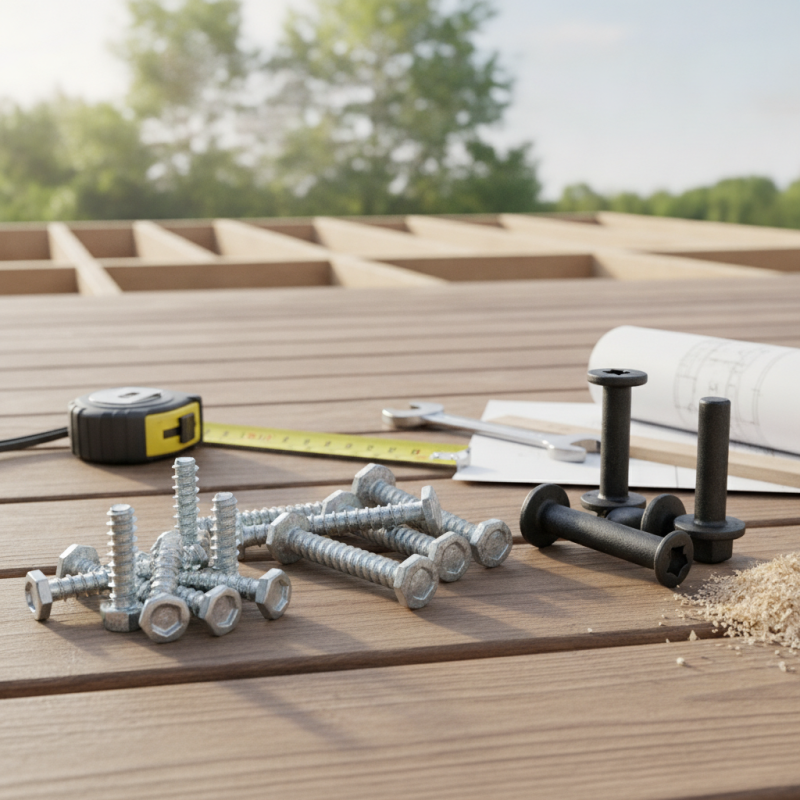
Understanding Deck Lag Screws: Definition and Importance
Deck lag screws are essential for constructing durable decks. These screws are designed to connect heavy timber components. Their strength ensures that the deck remains stable and secure over time. According to the American Wood Council, proper fastener selection contributes significantly to the structural integrity of outdoor projects.
Understanding the types of deck lag screws is crucial. There are different materials, such as stainless steel and galvanized screws. Stainless steel screws resist corrosion, making them favorable for coastal areas. However, they can be pricier. Galvanized screws offer a budget-friendly option, but their lifespan may be shorter in harsh environments. According to industry reports, using the correct type can extend the deck's life by up to 15 years.
It’s important to consider size and length as well. A common mistake is using screws that are too short. This can lead to deck failures, especially under load. Choosing the right length improves grip and stability. Data suggests that properly sized lag screws can resist up to 1500 pounds of pull-out force. Miscalculating these factors can be costly in the long run. Thoughtful decisions ensure a secure and lasting deck.
Types of Deck Lag Screws: Materials and Coatings
When selecting deck lag screws, the materials and coatings are crucial. Commonly used materials include steel, stainless steel, and aluminum. Steel is strong and cost-effective but may corrode quickly. Stainless steel offers superior corrosion resistance, making it ideal for coastal areas. Aluminum is lightweight but not as durable for heavy loads.
Coatings play a significant role in prolonging lifespan. Hot-dipped galvanization is popular as it provides a thick protective layer. This coating can withstand harsh environments. In contrast, polymer coatings are gaining traction for their aesthetic and protective properties. According to industry reports, 70% of builders prefer coated lag screws for durability.
Tips: When choosing screws, prioritize the environmental conditions. Coastal areas require stainless steel due to salt exposure. Regular inspections are important. Signs of rust or wear may indicate a need for replacement. Always consider long-term effects and maintenance needs.
Assessing Load Requirements for Your Project
When assessing load requirements for your project, accurate calculations are vital. Structural integrity relies heavily on the correct choice of lag screws. For instance, according to the American Wood Council, the load-bearing capacity of a lag screw varies significantly based on size and material. A ½-inch lag screw can typically handle up to 6,000 pounds in sheer strength, but this can diminish based on the specific wood type and installation method.
Consider the environmental factors impacting your project. High moisture levels can lead to wood swelling, affecting screw grip and load. Research shows that 30% of construction failures result from inadequate fastener selection. Inspecting your materials and understanding their properties will aid in choosing the right screws for optimal strength and longevity. Always analyze potential variables to ensure that your project can withstand the loads expected over time.
It’s important to reflect on your previous experiences as well. Have you addressed similar challenges? Were your initial load assessments accurate? Gathering feedback from past projects can enhance your decision-making process. Remember, choosing the right lag screws isn't solely about size but also about the entire system’s function.
Choosing the Right Size and Length for Deck Lag Screws
Choosing the right size and length for deck lag screws is essential for ensuring structural integrity. Lag screws come in various sizes, typically ranging from 3 inches to 6 inches in length. According to a study by the American Wood Council, using screws that are too short can compromise the deck’s stability. A general guideline is to use screws that penetrate at least 1.5 inches into the supporting structure.
The diameter of the lag screw also plays a crucial role. A screw with a diameter of 0.25 inches may suffice for lighter applications. However, for heavier loads, a diameter of 0.5 inches is often recommended. Industry research shows that the correct screw size can enhance load-bearing capacity and decrease the likelihood of failures. Failing to choose the right size could lead to costly repairs or safety issues.
Tips: Always verify the wood species and load requirements. For example, softwoods may require different screws compared to hardwoods. Check the project specifications. Measure twice before cutting. This simple practice can prevent costly mistakes. Proper selection depends on structural needs and local building codes, so thorough research is advisable.
Installation Tips for Optimal Performance and Durability
When working with deck lag screws, installation is crucial for achieving optimal performance and durability. Proper installation techniques ensure that your project remains secure over time. Here are some essential tips to consider.
Pre-drill holes to create a clean entry point for the screws. This reduces the risk of splitting the wood. Choose a drill bit slightly smaller than the screw diameter. This approach allows for a tight fit yet prevents major damage. Additionally, ensure you are using the right length for your project. It should penetrate deep enough into the frame but not too deep to compromise structural integrity.
Pay attention to the material of your screws. Stainless steel is ideal for coastal areas due to corrosion resistance. Conversely, heavy-duty coated screws can be suitable for other environments. Tightening should be done carefully. Over-torquing can strip the threads and weaken the hold. If screws feel overly tight, don't force them; it may be worth reassessing your drilling technique and materials.
Always consider the weather conditions during installation. Moisture and humidity can affect screw performance. If in doubt, consult a professional for guidance tailored to your specific project needs. Proper preparation can make a significant difference in the longevity of your deck.
Deck Lag Screws Selection: Performance Based on Diameter and Length