How to Choose the Best Garbage Compactors for Your Needs?
When selecting the best garbage compactors for your needs, it’s essential to consult industry experts. Jane Doe, a recognized authority in waste management technology, states, “Choosing the right garbage compactor can drastically reduce waste volume and improve efficiency.” Her expertise highlights the importance of understanding your specific requirements before making a purchase.
Garbage compactors come in various sizes and capabilities. Each model offers unique features, making the selection process critical. Think about your storage space, volume of waste, and frequency of use. A compact unit may suffice for small households, while larger models cater to commercial operations.
However, it is easy to overlook factors like power consumption, noise levels, and maintenance needs. Often, consumers focus solely on price without considering long-term costs and operational efficiency. Thus, weighing these elements can lead to a more informed decision. Reflect on both your immediate needs and future goals when investing in garbage compactors. A thoughtful choice can lead to cleaner spaces and reduced landfill contributions.
Understanding the Different Types of Garbage Compactors Available
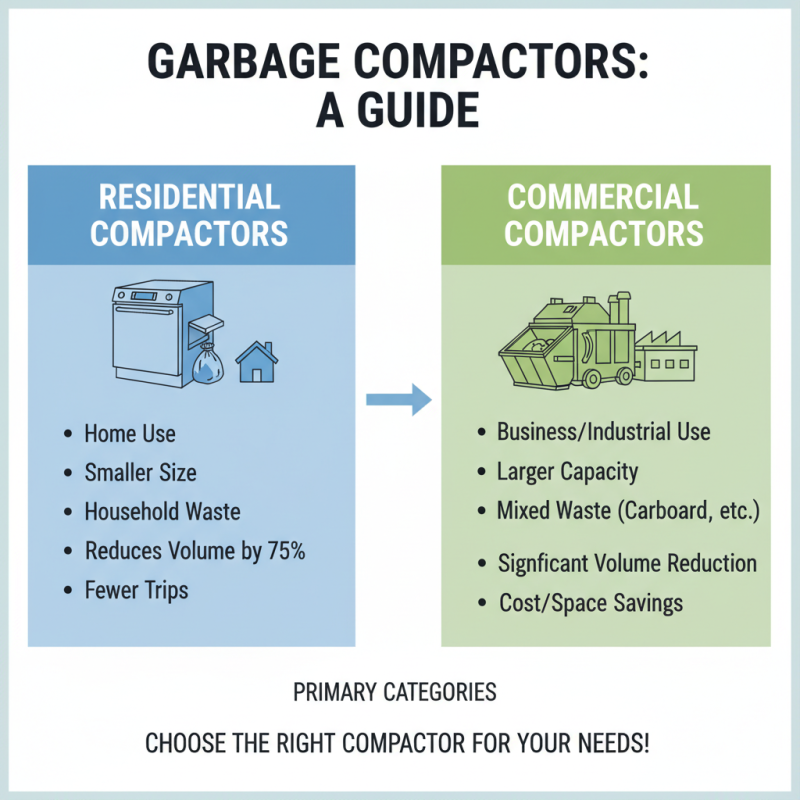
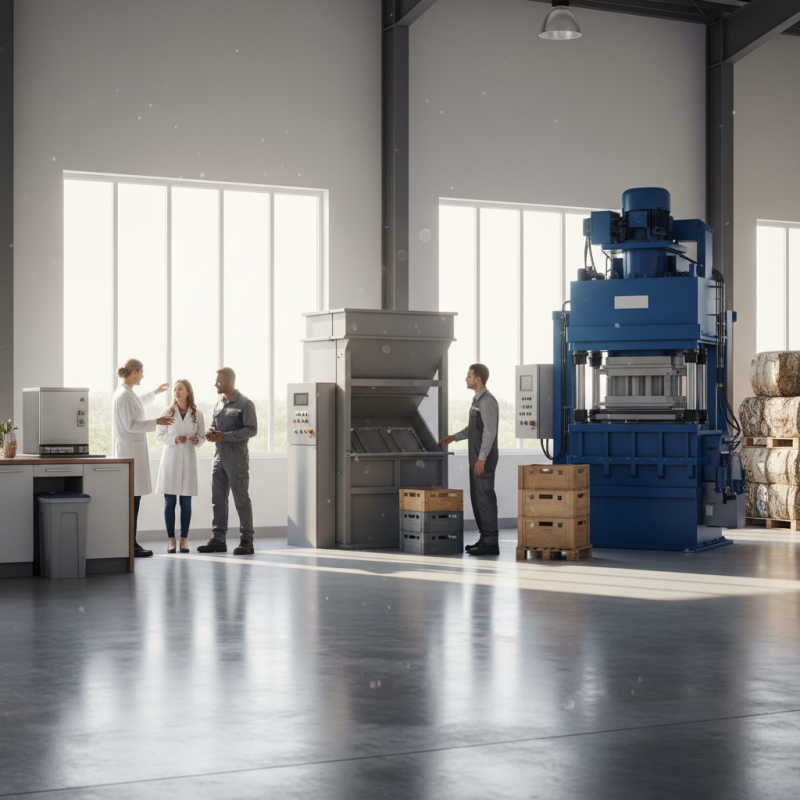
Selecting the right garbage compactor involves understanding the various types available. There are two primary categories: residential and commercial compactor models. Residential compactors are typically smaller, designed for home usage. They often handle household waste, reducing volume by up to 75%. This saving can lead to fewer trips to the dumpster.
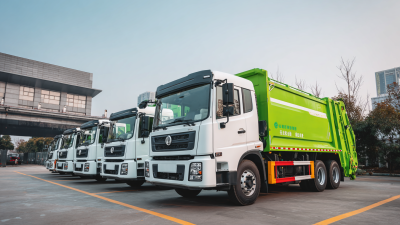
On the other hand, commercial compactors are larger and more powerful. These machines are intended for high-volume waste management. Reportedly, they can compact waste to about one-fifth of its original size. According to the Waste Equipment Technology Association, businesses that utilize commercial compactors can significantly lower their waste disposal costs. Volume reduction is crucial for industries like food service, where space is limited.
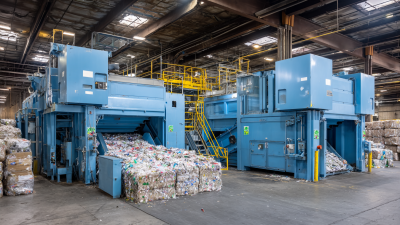
Another type is the stationary compactor, which is primarily used in larger settings. These machines are permanently installed and connect directly to a container. They provide efficient waste management for facilities that generate substantial waste daily. However, not all businesses may be ready for such an investment. An initial evaluation of needs and budget is essential. Ultimately, choosing the correct type requires careful consideration of specific waste management demands.
Assessing Your Space and Waste Volume Needs for Compaction
When considering a garbage compactor, it’s essential to assess your space and waste volume needs. Start by measuring the area where the compactor will be placed. Ideally, you want a location that is easily accessible yet does not obstruct daily activities. Think about the weight and dimensions of the compactor too; larger models can take more space, but they provide better compaction power.
Next, evaluate your waste volume. Take note of how much garbage you generate weekly. If your household has a high waste volume, a heavy-duty compactor may be necessary. However, a smaller, less powerful model could suffice for lighter waste loads. Remember, not all compactors handle every type of waste. Some may struggle with wet materials or bulky items.
It’s also good to reflect on your actual habits. Are there times when your waste output spikes? If you host events or gatherings, a flexible compaction solution might be worth considering. Being honest about your needs can help prevent the purchase of an underperforming unit. Balancing space constraints and waste output can be challenging, but it’s crucial for selecting the right compactor for your situation.
Key Features to Look for in a Garbage Compactor
When selecting a garbage compactor, it’s essential to consider key features that suit your requirements. The size of the unit matters. You need a model that fits your kitchen space while handling your waste volume. A compact design may be ideal for small households, but larger families might require a bigger model to reduce frequent emptying.
Power and efficiency are crucial. Look for compactors with a strong motor that can easily compress waste. The compression ratio can vary, so it's wise to choose a unit that offers a higher ratio for effective waste management. Noise levels can also be a concern. Some models operate quietly while others can be quite loud during use, so think about where you’ll place it.
Don’t overlook safety features. Compactors should have mechanisms to prevent accidental operation. Simple controls are also important. Complex buttons can be frustrating. A straightforward interface helps ensure everyone in your household can use it easily. Remember, your needs may change over time. Reassessing your choice as your household evolves is vital.
Comparing Brands and Models for Performance and Reliability
When selecting a garbage compactor, it's essential to focus on performance and reliability. Different models offer varied features. Some focus on power, while others emphasize noise reduction. Consider your specific needs. Do you require a unit that can handle heavy waste? Or is a quieter operation your priority?
Tips: Examine user reviews and ratings. Feedback often highlights real-world performance. Check for warranty offers. A solid warranty can signal durability and reliability.
Remember, the design of the compactor influences its efficiency. Compactors vary in size and shape. Some fit under counters, while others stand alone. The placement impacts how effectively you can use it. Take measurements before purchasing. Ensure it meets your available space and usability needs.
Evaluating energy efficiency is critical too. Some models consume more power. This may lead to higher utility bills over time. Cross-reference energy ratings, and choose wisely. A reliable garbage compactor not only simplifies waste management but also contributes to a cleaner environment.
Comparative Analysis of Garbage Compactor Performance
Evaluating Cost vs. Benefits in Your Garbage Compactor Selection
Evaluating the cost versus benefits in garbage compactor selection is crucial. It's not just about the price tag; it’s about what you get in return. A high upfront cost may often lead to lower waste management costs over time. Comparing the durability and efficiency of different models is key to understanding their long-term economic impact.
When selecting a compactor, consider these tips: Look for energy-efficient models that can reduce your electric bills. Check the warranty and service options, as repairs can add to your costs later. Consider the capacity you need based on your waste output. A larger compactor may seem like a good idea, but it could lead to wasted space and energy if not matched properly.
Also, reflect on your specific needs. What works for one business may not work for another. Analyze your waste composition and volume before making a decision. It’s essential to ensure that the chosen model aligns with your disposal habits and future growth. Remember, the right garbage compactor isn’t always the most expensive one; it's about finding the balance that works for you.
How to Choose the Best Garbage Compactors for Your Needs?
| Model |
Compaction Ratio |
Power Source |
Noise Level (dB) |
Price Range ($) |
Weight (lbs) |
| Model A |
4:1 |
Electric |
60 |
800 - 1000 |
150 |
| Model B |
5:1 |
Hydraulic |
70 |
1000 - 1200 |
180 |
| Model C |
3:1 |
Electric |
65 |
600 - 800 |
130 |
| Model D |
6:1 |
Gas |
75 |
1200 - 1500 |
200 |
| Model E |
7:1 |
Electric |
68 |
900 - 1100 |
170 |