How to Choose the Right Valve DC Gear Motor for Your Project?
Choosing the right Valve DC Gear Motor is crucial for the success of many engineering projects. According to a recent industry report, the global market for DC gear motors is projected to reach $7.8 billion by 2025. This growth indicates a rising demand for precision in motor choice, especially in applications requiring controlled torque and speed.
Valve DC gear motors offer unique advantages. They are designed to provide high efficiency while maintaining a compact size. However, selecting the wrong model can lead to performance issues. For example, using an underpowered gear motor can result in failure to actuate a valve properly. It’s vital to consider factors like load requirements and operational environment.
Many engineers overlook critical details when choosing these motors. They may focus solely on specifications without considering compatibility with existing systems. This can lead to costly adjustments down the line. Understanding the specific needs of your project can help prevent these common pitfalls, ensuring reliability and efficiency in your designs.
Factors to Consider When Selecting a Valve DC Gear Motor
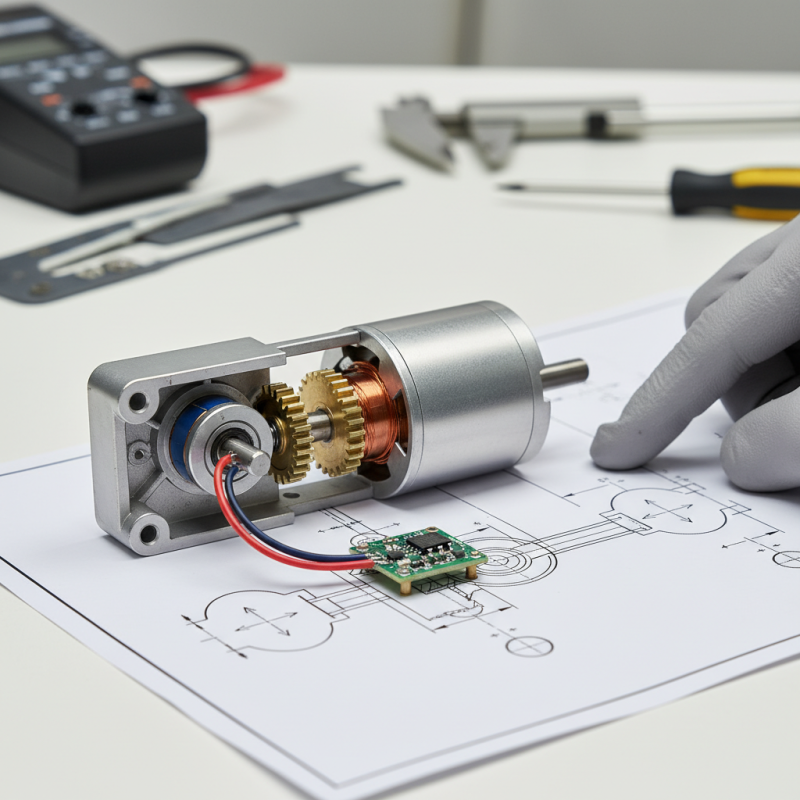
Choosing the right valve DC gear motor is crucial for your project’s success. Start by assessing the specifications. Consider the torque requirements. You need enough torque to handle the load efficiently. Too little torque may result in underperformance. On the other hand, excessive torque can lead to energy wastage.
Next, evaluate the speed capabilities. The speed of the motor should match the operational needs of your valve system. A mismatch can hinder system efficiency. Also, think about the control method you will use. Some applications require precise control, while others may not.
Don't overlook the environmental conditions. Extreme temperatures or humidity can affect motor performance. Ensure that your selected gear motor can withstand these conditions. Keep in mind that certain features may increase costs. Striking a balance between performance and budget can be challenging. It often requires careful consideration and adjustment of your project parameters.
Understanding the Specifications of DC Gear Motors
When selecting a DC gear motor, understanding its specifications is crucial. The torque rating is particularly important. A typical gear motor ranges from 0.1 Nm to 100 Nm. Too little torque may stall your project, while excessive torque may damage components. Therefore, accurately estimating the required torque is essential for proper functionality.
Another key specification is the gear ratio. It determines the output speed and torque transformation. A common range for gear ratios is 3:1 to 100:1. Higher ratios yield lower speeds but increased torque. For robotics applications, a gear ratio of around 20:1 might be ideal. However, if the gear ratio is mismatched, the motor may not perform as expected.
Consider the motor's efficiency as well. A report from the IEEE states that the efficiency of DC gear motors typically falls between 70% to 90%. Lower efficiency means more heat and wasted energy. This can lead to overheating or inadequate performance in sustained use.
Always analyze these specifications carefully to avoid potential performance pitfalls in your project.
Evaluating the Torque and Speed Requirements for Your Application
When selecting a valve DC gear motor, evaluating the torque and speed requirements is crucial. Torque determines how much force the motor can exert. If your project requires a heavy load, you will need a motor with higher torque ratings. Be realistic about the load involved. Sometimes, we underestimate the weight, leading to a mismatch between motor capabilities and project needs.
Speed is equally important. Different applications require different speeds. If your project demands quick movements, look for a motor that offers higher RPMs. However, higher speeds may compromise torque. Finding the right balance is often tricky. Testing your setup is a good way to identify issues early on. Running your motor under different loads and speeds helps ensure that it meets your specific needs.
Don't forget to consider environmental factors. Heat can affect motor performance. It’s essential to monitor how the motor behaves under different conditions. Make adjustments based on your observations. Sometimes, a perfect match is not possible at first. Be prepared to adjust your choices as you learn more about the demands of your application. This iterative process is vital for achieving the best outcome.
Assessing the Control Options for Valve DC Gear Motors
When choosing a valve DC gear motor, control options play a crucial role. Understanding these options can significantly impact your project's success. Basic control methods include on/off switching and more complex pulse width modulation (PWM). On/off control is simple but lacks precision. PWM allows for smoother operation, offering finer control over speed and torque.
Another control option is the use of feedback systems. These systems monitor the motor’s position or speed and provide real-time adjustments. This feedback loop can enhance accuracy. However, implementing feedback systems can add to costs and complexity. Not every project requires such precision. Sometimes, a straightforward approach is more effective.
Consider the range of control interfaces available. Options may include analog, digital, or even wireless controls. Each interface has its strengths and weaknesses. For example, analog controls are user-friendly but may not provide the best precision. Digital controls can offer more features but may require programming knowledge. It's essential to assess your project's specific needs and the skill level of your team.
Comparing Different Brands and Models for Reliability and Performance
When it comes to selecting a valve DC gear motor, understanding brand reliability and model performance is crucial. A recent industry report highlighted varying failure rates across brands. Some brands had failure rates over 15% in field tests, while others maintained a much lower rate of around 5%. This discrepancy could significantly impact your project.
It’s important to consider the specific application of your gear motor. For example, if your project requires frequent use, durability should be a priority. Many users overlook the torque requirements. Insufficient torque can lead to premature wear and failure.
**Tip:** Always assess the load conditions before making a decision. Load testing can provide insights into how different models perform under real conditions.
Cost is another factor. Some low-cost models may not offer long-term reliability. Investing in a slightly more expensive, but proven model can save money over time. Performance reports reveal that motors with higher initial costs tend to have longer lifespan ratings.
**Tip:** Look for user reviews and technical feedback. This can provide real-world insights missing from data sheets.
Choosing the right valve DC gear motor requires careful evaluation of these elements. Don’t rush into a decision based solely on price or specifications without considering the broader context of reliability and application.
Performance Comparison of DC Gear Motors