How to Choose the Right Fabric Geotextile for Your Project?
Choosing the right Fabric Geotextile is crucial for your project's success. A suitable geotextile can enhance soil stability and promote drainage. With various types available, the options can be overwhelming. Understanding the specific needs of your project is essential.
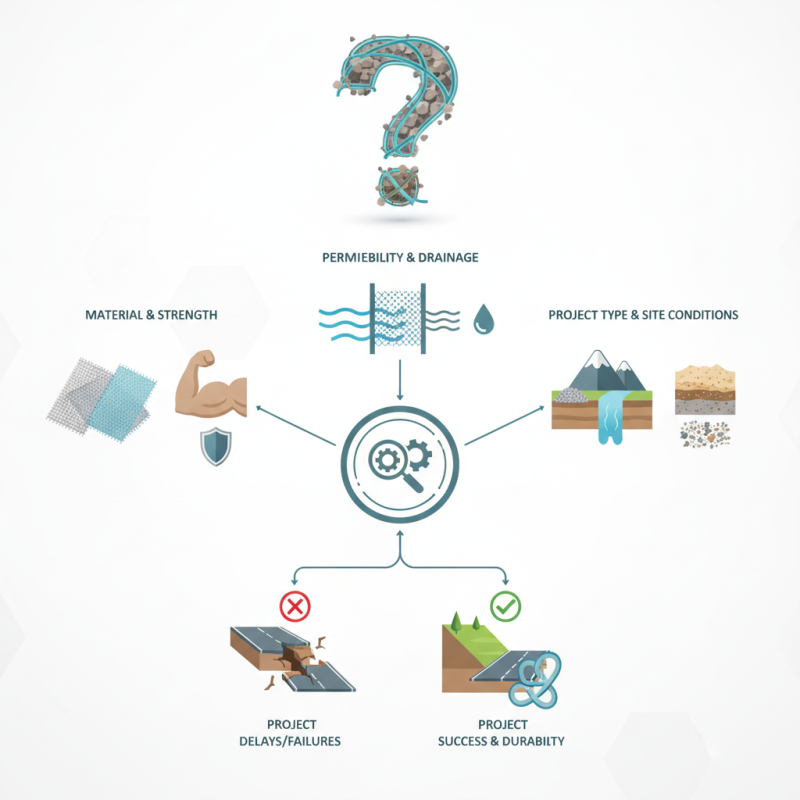
Fabric geotextiles vary significantly in material, strength, and permeability. Made from synthetic fibers, they provide durability against environmental factors. This choice impacts the performance of your project. Each application—from road construction to erosion control—requires careful consideration. A mistake in selection can lead to project delays or failures.
Take time to evaluate the characteristics of different fabrics. Consider factors like soil type, water flow, and site conditions. Proper research is necessary to ensure reliability. Consulting with experts in the field is often beneficial. Their insights can guide you toward the best fabric geotextile for your needs. The right choice can make a substantial difference in the long run.
Understanding the Different Types of Fabric Geotextiles Available
When selecting a fabric geotextile, it's essential to understand the various types available. Fabric geotextiles are typically classified into two main categories: woven and non-woven. Woven geotextiles are made from interlacing fibers, providing exceptional tensile strength. They're often used in applications like erosion control and separation layers in road construction.
On the other hand, non-woven geotextiles are created by bonding fibers through heat or chemical processes. This type offers excellent drainage and filtration properties. It is suitable for applications like landfill covers or sediment control in stormwater management. The choice between these types depends on your project needs.
Beyond material types, consider factors such as function, soil characteristics, and environmental conditions. Is filtration the priority? Or is reinforcement more critical? Some projects may not warrant high-performance fabrics, leaving room for budget-friendly options. Thorough testing and data review can enhance your decision-making process. Still, relying solely on specifications may overlook site-specific issues.
Key Factors to Consider When Selecting Geotextile Fabrics
When selecting geotextile fabrics for your project, consider several key factors. The type of project will impact your choice. For instance, erosion control and drainage work require different properties. Understand the specific conditions of your site. Soil type, moisture levels, and vegetation all play a role.
Another crucial factor is the fabric’s intended function. Some geotextiles are designed for separation, while others provide filtration. Assess the load-bearing requirements. Choosing a material that can handle the stress is vital. If improperly selected, it may lead to project failure. This can be costly and time-consuming.
Environmental impact should also be considered. Some fabrics may degrade under UV exposure. Perform tests for durability. This can save you from future issues. Not all fabrics are equal, and reliability is essential for long-term use. Ensure you make an informed decision based on the detailed characteristics of each option.
Assessing Project-Specific Requirements for Geotextile Use
Choosing the right fabric geotextile for your project requires careful consideration of specific requirements. Each project has unique needs based on soil type, climate, and intended use. A thorough assessment is crucial before making your selection.
When evaluating project-specific requirements, consider the environment. For instance, if you are working in a wet area, select a geotextile that excels in water drainage. Analyze the soil properties as well; fine soils may require a finer fabric to prevent clogging.
**Tips:** Always test samples on-site before finalizing your choice. This real-world feedback can reveal insights not visible in lab conditions. Think about how the geotextile will perform over time. Will it withstand environmental stresses?
Weight and durability are also important. Heavier fabrics may offer more longevity, but they can be harder to handle. Be prepared to reassess your decision based on field conditions. What looks good on paper may not perform as expected in reality.
Geotextile Fabric Selection Criteria
This bar chart illustrates the importance level of various criteria when selecting fabric geotextiles for construction projects. Each criterion is rated on a scale from 1 to 10, reflecting its significance in ensuring the proper functionality and longevity of geotextiles.
Evaluating Durability and Performance of Fabric Geotextiles
When selecting a fabric geotextile, durability and performance are critical aspects. Understanding the conditions the material will face is essential. Will it endure high water flow or heavy mechanical loads? Each application demands unique specifications. Identifying these factors can guide your choice effectively.
Fabric geotextiles are made from various fibers, impacting their resilience. Natural fibers may be less durable than synthetic ones. However, they can provide excellent drainage. Testing the tensile strength and elongation is crucial. A fabric that tears easily will compromise the entire project. In some cases, performing a tear test can reveal significant weaknesses in the material.
Consider UV resistance as well. Prolonged sunlight exposure can degrade some fabrics faster than expected. Review the project’s environmental conditions to ensure longevity. Reflecting on your choices during the planning phase can prevent costly mistakes later. Choosing the right geotextile is not straightforward. Assessing materials against real-world conditions leads to better decision-making.
How to Choose the Right Fabric Geotextile for Your Project? - Evaluating Durability and Performance of Fabric Geotextiles
| Fabric Type | Durability (Years) | Tensile Strength (kN/m) | Water Permeability (cm/sec) | UV Resistance (%) | Common Applications |
| Woven Geotextile | 10 | 20 | 0.1 | 80 | Road Construction |
| Non-Woven Geotextile | 7 | 15 | 0.2 | 70 | Drainage Systems |
| Geogrid | 15 | 30 | 0.05 | 90 | Soil Stabilization |
| Composite Geotextile | 12 | 25 | 0.15 | 85 | Landfill Liners |
Comparing Cost and Environmental Impact of Geotextiles
When selecting a fabric geotextile for your project, cost and environmental impact are crucial factors. The price of geotextiles can vary widely. Some materials are cheaper but may not last as long. Consider the life cycle cost of the product. Will it need to be replaced often? If so, the initial savings may not be worth it.
The environmental impact of geotextiles is also significant. Many of these materials are synthetic and can take hundreds of years to decompose. Look for options that are recyclable or biodegradable. This choice supports sustainability and reduces landfill waste. Additionally, consider how the materials affect local ecosystems. In some cases, the wrong choice can harm soil and water quality.
Many projects overlook these aspects. Cost considerations often overshadow environmental issues. It’s essential to reflect on long-term effects. You might save money upfront but face larger issues later. Balancing cost and environmental responsibility is not an easy task. Each project brings unique challenges that require careful thought. Making informed choices benefits both the project and the planet.