Why Choose Laser Cutting Technology for Your Manufacturing Needs?
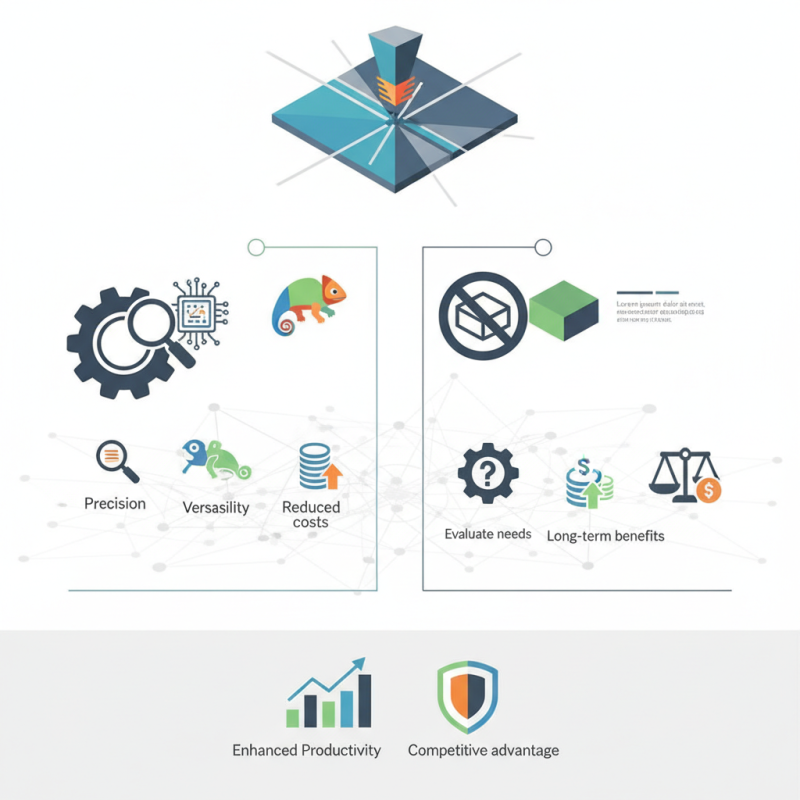
In today's fast-paced manufacturing landscape, choosing the right technology is critical. Laser Cutting Technology stands out for its precision and versatility. It offers numerous advantages over traditional cutting methods. Manufacturers can achieve intricate designs with minimal wastage. This efficiency can greatly reduce operational costs.
However, not all applications benefit from laser cutting. For some materials, other cutting methods may be more effective. Industries must evaluate their specific needs and limitations. Understanding these factors is essential for making informed decisions.
Furthermore, the initial investment in Laser Cutting Technology can be daunting. Yet, the long-term benefits often outweigh these upfront costs. By investing wisely, businesses can enhance productivity and gain a competitive edge.
Understanding Laser Cutting Technology in Manufacturing
Laser cutting technology has transformed modern manufacturing by offering precision, speed, and flexibility. It uses focused light beams to cut or engrave materials with unmatched accuracy. This technology works well with various materials like metal, wood, and plastic. Its ability to deliver intricate designs sets it apart from traditional cutting methods, making it indispensable in many industries.
Tips for choosing laser cutting services: ensure you inquire about the machine's specifications. The right equipment can make a significant difference in the final product's quality. Consider the manufacturer's experience with specific materials, as not all providers are equally skilled. Understanding their capabilities will help you avoid potential pitfalls.
A key advantage of laser cutting is its minimal waste generation. The focused laser beam ensures that cuts are precise and clean, reducing excess material loss. However, not all designs will optimize the process. Sometimes, trial and error is necessary to achieve the best outcomes. Engaging with experts in the field can provide invaluable insights for refining your designs and enhancing production efficiency.
Advantages of Laser Cutting Over Traditional Methods
Laser cutting technology offers numerous advantages over traditional manufacturing methods. One significant benefit is precision. Laser cutting produces intricate designs with high accuracy. This technology minimizes the risk of errors in the cutting process. Traditional methods often lead to material wastage. Laser cutting, however, uses precise beams, ensuring optimal use of resources.
Efficiency is another key advantage. Laser machines can operate continuously, significantly reducing production time. This minimizes downtime, leading to faster turnaround on projects. In contrast, traditional methods may require more manual labor and lengthy setup times. Automated systems in laser cutting streamline workflows and enhance productivity.
Tip: When considering laser cutting, think about your design complexity. The more intricate the design, the more beneficial laser cutting becomes. Evaluate the types of materials you use. Certain materials respond better to laser cutting than others. Lastly, balance the initial investment with long-term gains in efficiency and quality. Mistakes may arise from overestimating capabilities or misjudging costs, so careful planning is essential.
Advantages of Laser Cutting Technology Over Traditional Methods
Applications of Laser Cutting in Various Industries
Laser cutting technology has become an essential tool in many industries. Its precision and efficiency make it ideal for various applications. In manufacturing, laser cutting is widely used for sheet metal fabrication. The ability to cut complex shapes with minimal waste is a significant advantage. This leads to improved material utilization, which is vital in a competitive market.
Tip: Always assess the material type and thickness before selecting laser cutting. Different settings can optimize performance and reduce errors.
In the automotive sector, laser cutting enables the production of intricate components. These parts often require tight tolerances that traditional methods cannot achieve. In the aerospace industry, lightweight and durable materials are crucial. Laser cutting allows manufacturers to create components that meet these stringent specifications.
Tip: Keep in mind that maintenance is essential. Regular checks can help avoid unexpected downtime and ensure optimal performance.
Another application is in the textile industry, where lasers cut fabrics with precision. This method allows for detailed designs and patterns. Despite its many benefits, some manufacturers may face challenges. Adjusting to new technology can be daunting, and finding the right expertise is crucial. It’s important to reflect on available resources and training to maximize potential.
Cost Efficiency and Precision of Laser Cutting Techniques
Laser cutting technology is revolutionizing the manufacturing sector with its cost efficiency and unparalleled precision. This technique uses focused laser beams to cut materials, offering a level of accuracy that traditional methods struggle to achieve. For example, it can create intricate designs in metals, plastics, and wood without the need for extensive tooling. Many manufacturers find that the initial investment in laser cutting pays off quickly through reduced waste and lower operational costs.
The cost efficiency of laser cutting also comes from its speed. The process allows for faster production times, which can significantly enhance workflow. However, it requires skilled operators to calibrate the machine properly. Mistakes in settings can lead to material wastage. Moreover, while laser cutting minimizes post-processing work, it does produce a heat-affected zone, which might necessitate additional finishing steps. Balancing these factors is crucial for manufacturers to fully leverage this technology's benefits while mitigating potential drawbacks.
Future Trends in Laser Cutting Technology for Manufacturing
Laser cutting technology continues to evolve, presenting exciting future trends for manufacturers. One major trend is the integration of artificial intelligence. AI can optimize cutting paths, enhance precision, and reduce material waste. Manufacturers will leverage data analysis to improve production efficiency. This technology may seem complex, but its potential impact is significant.
Another trend is the shift toward automation and robotics. Automated laser cutting systems can operate with minimal human intervention. This reduces labor costs and increases output. However, there may be challenges in adapting existing workflows to accommodate these changes. Ensuring that staff are trained to work alongside advanced systems is essential.
Sustainability is also a key focus. Laser cutting is already efficient, but innovations aim to further minimize energy use. Future technologies may provide cleaner alternatives, lessening the environmental impact. While the journey towards sustainability is not straightforward, each step forward is crucial for the industry. Embracing these trends may require time and adjustment but can lead to improved manufacturing processes and a greener future.