Why Choose a Concrete Block Batching Plant for Your Projects?
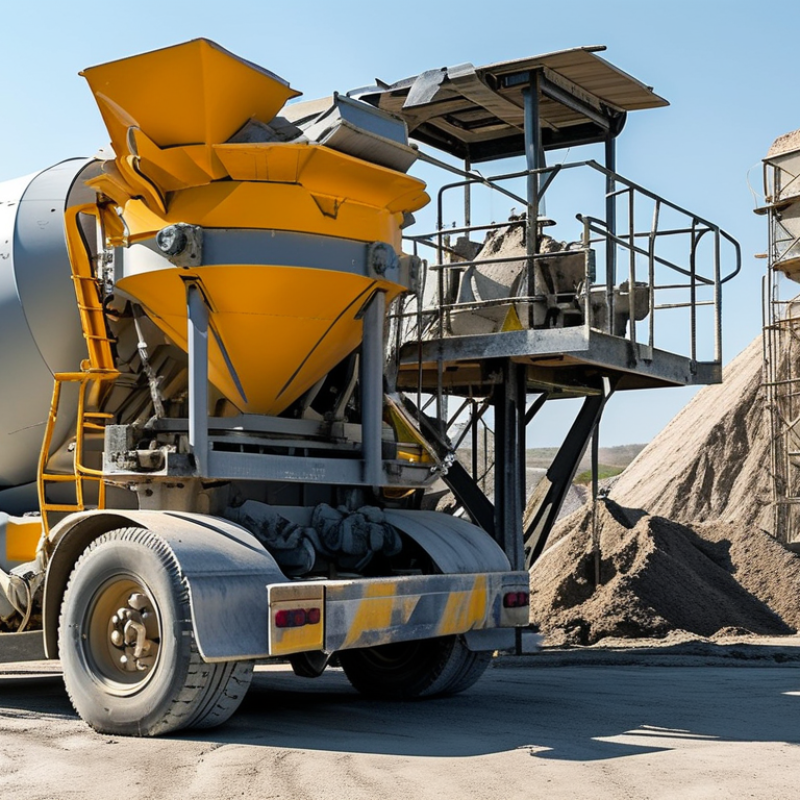
When embarking on construction projects, choosing the right equipment is crucial. A Concrete Block Batching Plant stands out for its efficiency and effectiveness. This machinery helps streamline the production process, ensuring consistent quality and timely delivery.
Many construction professionals appreciate the reliability of a Concrete Block Batching Plant. It allows for large-scale production of concrete blocks, meeting high demand without sacrificing quality. The system automates mixing, thereby reducing labor costs and time. Yet, not all batching plants are designed equally. Some may struggle with accuracy, leading to inconsistencies. Choosing the right model requires careful consideration of factors like capacity and technology.
Investing in a Concrete Block Batching Plant can indeed boost productivity. However, potential buyers should evaluate their needs thoroughly. Understanding the market and exploring different options can prevent costly mistakes. A well-chosen batching plant can greatly enhance project outcomes, yet improper selection can hinder progress. Emphasizing informed decisions is essential for success in the construction industry.
Benefits of Using Concrete Block Batching Plants in Construction
Concrete block batching plants offer several advantages that enhance construction projects. These plants allow for precise control over the mixing process. By using automated systems, operators can achieve consistent quality in every batch. This consistency is crucial for structural integrity, especially in large-scale builds.
Moreover, the use of concrete block batching plants can significantly increase efficiency on site. They minimize the need for manual labor and reduce material waste. This efficiency translates to cost savings and quicker project completion times. However, it's important to recognize that investing in such technology requires careful planning and understanding of the site’s unique demands. Choosing the right capacity and configuration is essential to avoid underutilization or overcapacity.
Additionally, while the benefits are clear, there can be challenges. Maintenance of the batching plant is critical for long-term operation. Regular checks and repairs may be necessary to ensure optimal performance. Unexpected downtime can impact project timelines. These considerations remind us that while automated processes offer efficiency, a strong preventative maintenance plan is necessary for success. Understanding these dynamics is part of making a well-informed decision for any construction project.
Key Features of Concrete Block Batching Plants
Concrete block batching plants are essential for efficient construction projects. These facilities ensure a consistent supply of quality concrete blocks. They play a crucial role in managing raw materials, minimizing waste, and optimizing production times.
One of the key features of concrete block batching plants is automation. Automated systems reduce human error and enhance precision in mixing. This results in higher quality blocks that meet specific standards. The ability to adjust mix ratios allows for flexibility in production, catering to various project requirements. Additionally, these plants can operate continuously, increasing output significantly.
Another important aspect is the integration of modern technology. Many batching plants come equipped with software for monitoring production metrics. This real-time data helps in identifying issues quickly. However, plant operators must remain vigilant, as technology can sometimes falter. Regular maintenance and staff training are essential to maximize efficiency and reliability. Embracing these technologies can lead to better decision-making and streamlined operations, although initial implementation may pose challenges.
Cost-Effectiveness of Concrete Block Production
Concrete block production has become a preferred choice for builders seeking cost-effectiveness. Investing in a concrete block batching plant can significantly reduce material costs. It enables the production of blocks on-site, minimizing transportation expenses. With precise mixing and control over materials, quality remains consistent. This leads to fewer defects and reduced waste, enhancing overall profitability.
Moreover, the initial setup of a batching plant can seem daunting. The costs, machinery, and space required require careful planning. However, these investments often pay off in the long run. Producing blocks locally means reduced lead times and immediate response to project needs. Flexibility in production volumes is another advantage, allowing for adjustments based on daily requirements.
While a concrete block plant offers many benefits, challenges like maintenance and staffing must not be overlooked. Neglecting these aspects can lead to setbacks. Training staff to operate machinery efficiently is essential. Overall, the cost-effectiveness of concrete block production not only streamlines operations but also enhances project profitability when managed correctly.
Cost-Effectiveness of Concrete Block Production
This chart illustrates the cost breakdown of producing concrete blocks. Investing in a concrete block batching plant can help streamline these costs, highlighting the cost-effectiveness of managing raw materials, labor, energy, transportation, and maintenance efficiently.
Environmental Impact and Sustainability of Concrete Block Batching
Concrete block batching plants play a crucial role in promoting environmental sustainability. These plants utilize locally sourced materials, minimizing transportation emissions. This local sourcing can greatly reduce the carbon footprint of concrete production. Additionally, concrete blocks are durable and long-lasting, which means they require less frequent replacement, further supporting sustainability.
However, the environmental impact varies based on operation practices. Energy consumption during the mixing and curing processes can be substantial. Implementing energy-efficient technologies can mitigate this concern. It's essential to maintain a balance between productivity and environmental stewardship.
Water management is another vital aspect. Batch plants must have systems in place to recycle water used in production. This not only conserves water but also improves overall efficiency. While the challenges are evident, the benefits of concrete block batching plants in promoting sustainable construction practices cannot be overlooked. They offer a path towards eco-friendlier building solutions.
Why Choose a Concrete Block Batching Plant for Your Projects? - Environmental Impact and Sustainability of Concrete Block Batching
| Performance Measure | Concrete Block Batching Plant | Environmental Impact | Sustainability Features |
| CO2 Emissions (per 1000 blocks) | 500 kg | Reduced by 20% with modern technology | Utilizes recycled materials |
| Water Usage (per batch) | 100 liters | Water-efficient designs | Rainwater harvesting systems |
| Energy Consumption (per batch) | 10 kWh | 30% reduction with energy-efficient machines | Use of renewable energy sources |
| Typical Lifespan of Blocks | 50 years | Durable and long-lasting materials | Recyclable at the end of lifecycle |
| Waste Generation | 5% of materials used | Waste management plans in place | Composting and recycling methods implemented |
Comparative Analysis: Concrete Block Batching vs. Traditional Methods
Concrete block batching plants offer distinct advantages over traditional methods. They streamline the production process. These plants use automation, ensuring consistency and reducing human error. Concrete mixes are precisely measured, resulting in quality blocks every time. Traditional methods may rely on manual mixing, which can lead to variability in strength and durability.
Moreover, batching plants enhance productivity. They can produce large volumes in a short time. This efficiency can significantly reduce project timelines. In contrast, manual mixing may slow down production. Workers might tire, leading to mistakes.
On the downside, setting up a batching plant may require higher initial investment.
Using concrete block batching is a step towards modernization. However, it demands reliable maintenance and sufficient training for operators. A poorly managed batching plant can lead to wastage and inefficiency. Understanding these factors is crucial for maximizing benefits. Evaluating your project’s scale and budget is essential before making a decision.