Why Choose Carbon Steel Pipe for Your Next Project?
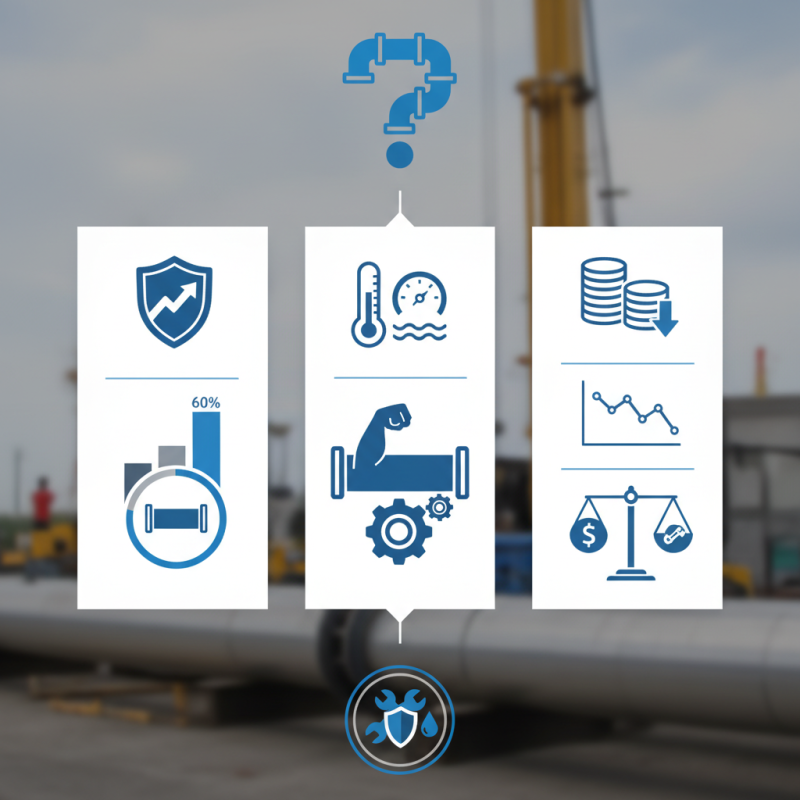
When considering materials for industrial projects, many professionals turn to Carbon Steel Pipe. This choice is backed by substantial data from industry reports. According to a study by the American Iron and Steel Institute, carbon steel accounts for nearly 60% of all steel pipe used in construction. This statistic highlights its significant role in various applications.
Carbon Steel Pipe offers impressive strength and durability. It can withstand high pressure and temperature, making it ideal for critical applications in oil and gas, water transmission, and structural projects. However, its susceptibility to corrosion is a point for reflection. Proper treatment and maintenance are essential to prolong its lifespan.
Furthermore, carbon steel is cost-effective. A report from the National Steel Pipe Association indicates it is generally less expensive than other metal pipes. This economic advantage should be weighed against factors like safety and longevity. Ultimately, choosing Carbon Steel Pipe can be beneficial, but it’s crucial to evaluate all aspects thoroughly.
Benefits of Carbon Steel Pipe in Construction and Infrastructure
Carbon steel pipes are increasingly favored in construction and infrastructure projects. Their strength and durability are key benefits. A 2022 report from the American Society for Testing and Materials (ASTM) highlights that carbon steel can withstand high pressure and extreme temperatures. This makes it suitable for a variety of applications, including water supply systems and structural frameworks.
Moreover, carbon steel is cost-effective. According to a recent survey by the World Steel Association, it is 20% less expensive to produce than stainless steel. This price advantage allows project managers to optimize their budgets. In addition, it exhibits excellent welding properties. This characteristic ensures easy fabrication and installation in diverse environments.
However, carbon steel does have some limitations. Its susceptibility to corrosion can be a concern in wet conditions. This means proper treatment or protective coatings may be necessary. Despite this, the material's overall performance is noteworthy. Many industry experts still recommend carbon steel as a reliable option. It remains a staple in the construction industry, delivering a balance between quality and cost.
Comparative Analysis: Carbon Steel vs. Other Pipe Materials
When selecting pipe materials for industrial projects, carbon steel often emerges as a strong contender. Its strength-to-weight ratio is noteworthy. According to a report by the American Institute of Steel Construction, carbon steel pipes offer excellent tensile strength. This makes them ideal for high-pressure applications. In contrast, materials like PVC and copper fall short in extreme conditions. They may crack or deform, leading to costly repairs.
Carbon steel maintains a robust performance against corrosion when properly treated. A study published in the Journal of Materials Science indicates that galvanized carbon steel can resist rust better than unprotected alternatives. This durability extends the lifespan of pipelines significantly. In many cases, companies save on long-term maintenance costs. However, the environmental impact of steel production raises concerns. It’s essential to weigh the benefits against sustainability goals.
Cost is another critical factor. Industry data shows carbon steel is often more affordable than its stainless steel counterpart. This cost-effectiveness can drive project budgets toward more critical areas. However, overlooking the initial investment in quality coatings could lead to higher expenses down the line. Attention to detail in project planning can make a tangible difference in outcomes.
Comparative Analysis of Carbon Steel vs. Other Pipe Materials
Applications of Carbon Steel Pipe in Various Industries
Carbon steel pipes are widely used in various industries due to their robust properties. They are favored for structural applications, especially in construction and infrastructure projects. These pipes can withstand high pressure and are resistant to wear, making them ideal for transporting fluids. For example, in the oil and gas industry, carbon steel pipes are crucial for pipeline construction. They can handle harsh conditions while ensuring safety and reliability.
In manufacturing, carbon steel pipes are used for machinery and equipment. Their strength supports the weight and stress of heavy components. Industries like automotive and aerospace incorporate these pipes for durability. However, sourcing high-quality carbon steel is essential to avoid weaknesses. Inferior quality can result in failures, posing risks in critical applications.
Although versatile, not all projects may benefit from carbon steel pipes. Their potential for corrosion in certain environments is a concern. Coatings and protective measures are necessary. Understanding the specific needs of your project will guide decisions. Each industry has unique challenges that require thoughtful solutions. Careful consideration enhances project success while avoiding costly errors.
Why Choose Carbon Steel Pipe for Your Next Project?
| Industry | Application | Pipe Size (Diameter) | Pressure Rating | Typical Use |
| Construction | Structural Support | 4" - 12" | Up to 150 PSI | Framework for Buildings |
| Oil & Gas | Transportation of Hydrocarbons | 6" - 48" | Up to 1000 PSI | Pipelines |
| Manufacturing | Heat Exchangers | 2" - 10" | Up to 300 PSI | Process Equipment |
| Water Treatment | Pipelines for Water Flow | 3" - 24" | Up to 150 PSI | Water Distribution |
| Automotive | Exhaust Systems | 1" - 3" | Up to 50 PSI | Vehicle Exhaust |
Factors to Consider When Selecting Carbon Steel Pipe
Choosing carbon steel pipe for a project requires a careful assessment of various factors. One important aspect is the material's tensile strength. According to the American Society for Testing and Materials (ASTM), carbon steel pipes typically offer strength values ranging from 300 to 700 MPa. This makes them suitable for projects requiring durability.
Another consideration is corrosion resistance. While carbon steel provides a significant level of strength, it is more prone to corrosion compared to stainless steel. A report by the NACE International demonstrated that corrosion can increase maintenance costs by 20% to 30%. Therefore, protective coatings or galvanization may be necessary.
Cost-effectiveness is a crucial factor too. Carbon steel pipes are generally less expensive than alloy materials. This enables project managers to stay within budget. However, one must weigh the initial investment against potential long-term costs due to maintenance. Carbon steel is an excellent choice for projects needing strength at a reasonable price. Yet, retrofitting or repairing corroded pipes can lead to unexpected expenses. Proper evaluation is key to making informed decisions in material selection.
Maintenance and Longevity of Carbon Steel Pipe Systems
Carbon steel pipe systems are recognized for their exceptional durability and low maintenance requirements. According to a report from the American Society of Civil Engineers, these systems can last over 50 years with proper care. This longevity makes them an ideal choice for a wide range of applications. Routine inspections can help identify any potential issues before they escalate.
One of the main advantages of carbon steel pipes is their resistance to several environmental factors. They can withstand high pressures and varying temperatures. However, they are susceptible to corrosion if not properly treated. Trending studies suggest that implementing galvanized coatings can significantly extend the pipe's lifespan. A suggested maintenance program involves regular cleaning and occasional replacement to maintain efficiency.
While carbon steel pipes have numerous benefits, challenges remain. Corrosion is a significant concern and can lead to failure if unnoticed. Research indicates that about 10% of failures in these systems are due to inadequate maintenance. Project planners must develop strategies to mitigate such risks. Investing in the right maintenance protocols can ensure optimal performance.