How to Choose the Best Shale Shaker Screen for Your Needs?
Choosing the right shale shaker screen is crucial for drilling operations. The shale shaker screen plays a vital role in separating solids from fluids. Reports indicate that selecting the right screen can improve drilling efficiency by up to 30%. This can significantly reduce operational costs and time.
However, many operators overlook this critical decision. The market offers various options, making selection challenging. Factors like mesh size, material, and durability must be considered. Not every screen suits every application, leading to potential inefficiencies.
Industry experts emphasize that a mismatched shale shaker screen can result in increased downtime. This negatively affects productivity. Reflecting on choices can lead to better outcomes and more effective operations in the long run. Choose wisely for optimal results.
Understanding Shale Shaker Screens and Their Importance
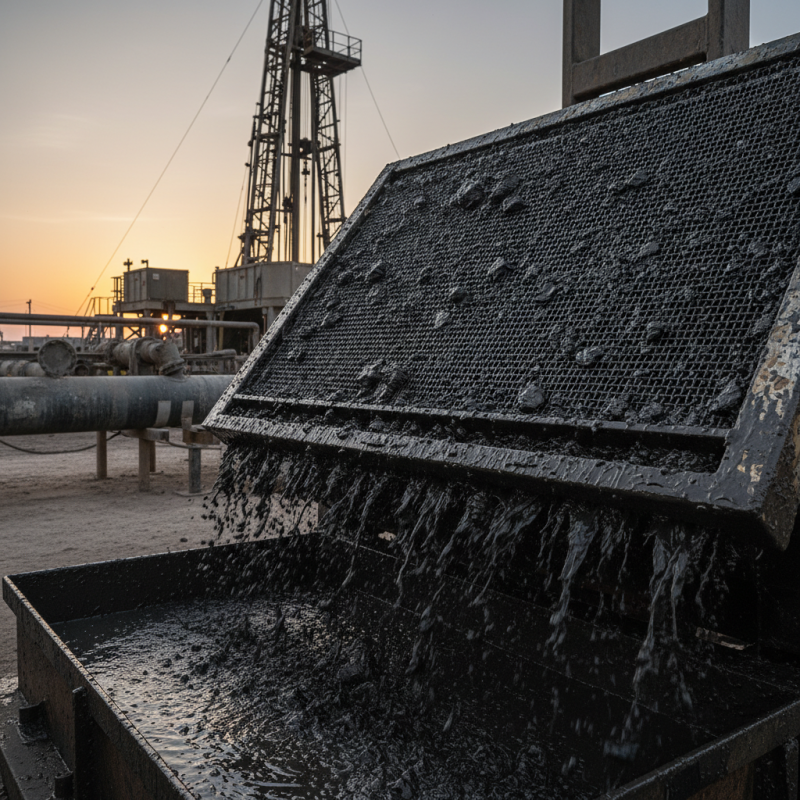
Shale shaker screens are crucial in the oil and gas industry. They separate solids from the drilling fluid, enhancing operational efficiency. Research indicates that effective screens can boost drilling performance by 35%. Selecting the right screen is essential to maximize these benefits.
The importance of screen design cannot be overstated. The mesh size determines how effectively the shaker functions. It influences the separation of cuttings from the fluid. According to industry reports, improper mesh selection can lead to increased wear and tear. This results in higher replacement costs and downtime.
Durability also plays a key role. High-quality screens can last longer, but even the best can succumb to misuse. Regular maintenance is crucial, yet many neglect this aspect. Inadequate care can compromise performance and increase expenses. Evaluating your specific needs and performance metrics will lead to better choices.
Factors to Consider When Selecting Shale Shaker Screens
Choosing the right shale shaker screen is crucial for effective drilling operations. Several factors must be taken into account. Material quality plays a significant role. High-quality screens improve durability and efficiency. According to a recent industry report, using premium materials can extend screen life by up to 30%. This directly affects downtime and operational costs.
Screen mesh size is another critical factor. Different applications require different mesh sizes. Larger openings allow faster flow but may not filter finer particles effectively. In contrast, tighter mesh can improve separation but may slow down the process. Industry data shows that selecting the right mesh can increase mud recovery rates by over 15%.
It's also essential to consider the screen’s overall design. The framework should provide strength without compromising weight. Poor designs often lead to premature failures. Additionally, compatibility with your shaker model matters. Not all screens fit every shaker, which may lead to inefficiencies. While these factors seem basic, overlooking them can lead to costly mistakes in operations. It's important to reflect on these details before making a selection.
Types of Shale Shaker Screens and Their Applications
When selecting shale shaker screens, understanding the various types and their applications is crucial. Different screens serve unique functions. For instance, some screens are designed for coarse particle separation, while others focus on finer materials. The mesh size plays a pivotal role in determining efficiency. A smaller mesh can capture tiny particles, but it might also slow down the fluid flow. This could lead to operational challenges.
Another vital aspect is the material of the screen itself. Metal screens are known for durability, while composite options can offer flexibility. Each material has distinct characteristics that can impact performance. You might find that a certain screen works well in one scenario but falls short in another. It's essential to reflect on your specific needs carefully. Testing different screens in real-world conditions can provide valuable insights. The right choice often requires trial and error.
Types of Shale Shaker Screens and Their Applications
Evaluating Material Durability and Performance of Screens
When choosing a shale shaker screen, evaluating the material durability is crucial. Screens are exposed to harsh conditions. High vibration and abrasive drilling fluids can wear them down. You want screens that can withstand these challenges. Consider the type of mesh material used. Stainless steel and composite materials often provide better resistance to wear. This can lead to longer service life, reducing replacement costs.
Performance is another key factor. A screen's ability to separate solids effectively can impact the overall efficiency of your operation. Look for screens that demonstrate high flow rates. They should maintain a consistent performance under varying loads. However, not all screens perform as expected. Some may struggle when faced with unexpected fluid compositions. Regular testing and monitoring are essential to ensure that the screens meet your specific needs. You might find that what worked before isn't always the best choice. Adaptability in your screening approach can lead to significant improvements.
Cost vs. Quality: Making an Informed Purchase Decision
Choosing the right shale shaker screen can be challenging. Cost often drives the decision, but quality plays a significant role. A cheap screen might seem appealing initially. However, it may wear out quickly and lead to expensive downtime.
When assessing screens, balance cost and quality carefully. Consider the materials used and the durability they offer. A higher upfront cost could save money over time. Screens built with high-quality materials reduce the risk of frequent replacements. Pay attention to the mesh size as well. Different drilling conditions demand varied mesh options, impacting performance.
Reflect on your specific needs before making a choice. What type of drilling activity are you engaged in? How often will you replace the screen? These questions direct toward the right investment. Investing in a quality screen can outweigh the immediate savings of a cheaper or inferior option.