How to Choose the Best Baking Cups for Your Needs?
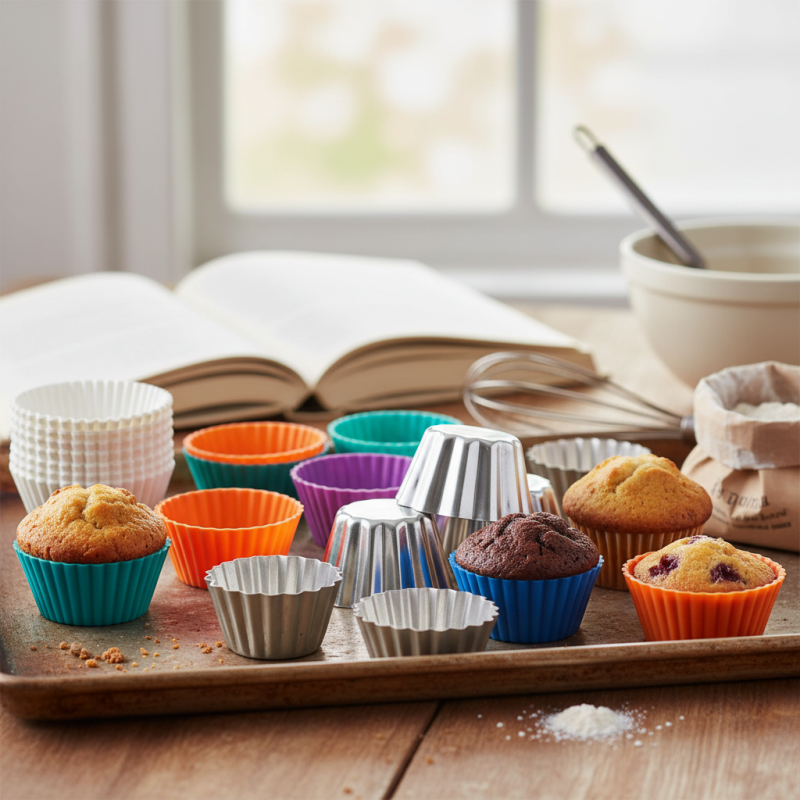
Choosing the right Baking Cup can greatly impact your baking experience. The right material can enhance your cakes, muffins, and cupcakes. There are many types of baking cups available, including paper, silicone, and metal. Each type offers unique advantages and disadvantages.
When selecting a baking cup, consider your baking needs. Do you prefer disposable options or eco-friendly materials? Paper cups are convenient but may not hold shape as well as silicone. On the other hand, silicone provides easy removal but may require more cleaning.
Finding the best baking cup involves trial and error. Not every cup will yield the same results in terms of texture or appearance. Testing different options can help you understand which works best for you. Don’t be afraid to experiment and adjust your choices based on your baking style.
Understanding the Different Types of Baking Cups Available
When selecting baking cups, understanding the various types is essential. There are paper, silicone, and metal options. Each material has unique advantages that can suit different baking needs. For instance, paper cups are disposable and convenient. They are perfect for single-use situations and come in an array of designs. Studies show that about 65% of home bakers prefer paper due to its ease of use.
Silicone cups offer durability and versatility. They can withstand higher temperatures and are reusable. According to a recent baking industry report, 30% of bakers choose silicone for its eco-friendliness. However, they may not provide the same structural support as paper or metal. This can lead to uneven baking, especially for delicate recipes.
Metal cups are another sturdy alternative. They provide excellent heat conduction, ensuring even baking. Many professionals recommend them for cupcakes and muffins. Nevertheless, they may require greasing to prevent sticking. 20% of amateur bakers admit to having difficulty with metal cups, reflecting the need for experience and practice. Choosing the right baking cup ultimately depends on your baking style and preferences.
Comparison of Different Types of Baking Cups
Factors to Consider When Choosing Baking Cups for Your Recipes
When choosing baking cups, several essential factors come into play. The material of the cups significantly impacts how your baked goods turn out. Silicone cups are flexible and easy to remove, while paper cups are more absorbent and can alter moisture levels. Consider what you are baking. For muffins, sturdy options are crucial, while delicate desserts may need softer materials.
Size and shape also matter. Standard cupcake sizes typically work for most recipes, but don’t overlook mini or jumbo varieties for unique presentations. An irregular shape may create a more appealing look, but it can complicate baking times. Always check the capacity too. Cups with the wrong volume can lead to overflow or undercooked treats.
It’s tempting to choose based solely on design. However, practicality should guide your decision. Are the cups oven-safe? Do they hold their shape while baking? Some cups may not withstand high temperatures, leading to potential baking disasters. Reflect on your past experiences with baking cups. What worked? What didn’t? Each baking session is a chance to learn and refine your choices.
Material Comparisons: Paper, Silicone, and Foil Baking Cups
When selecting baking cups, material plays a crucial role. Paper, silicone, and foil each have unique benefits and drawbacks. Paper baking cups are affordable and available in many designs. They are great for muffins and cupcakes, but can soak up moisture. This might lead to soggy bottoms.
Silicone baking cups have gained popularity for good reasons. They are reusable, flexible, and non-stick, which makes removing baked goods easy. However, they can be pricier upfront. Some users find they don’t brown as well as other materials. This could affect your presentation.
Foil baking cups provide excellent support and conduct heat evenly. They are often used for pies and tarts, offering a crisp texture. But, their single-use nature contributes to waste. Consider your baking habits and environmental impact. Choosing the right baking cup requires weighing all these factors carefully.
How to Choose the Best Baking Cups for Your Needs? - Material Comparisons
| Material | Pros | Cons | Best Uses |
| Paper | Lightweight, easily disposable, good for quick baking | Can stick to batter, not reusable | Cupcakes, muffins, and quick breads |
| Silicone | Flexible, non-stick, reusable, dishwasher safe | Can be more expensive, may retain odors | Baking individual cakes, brownies, and jellies |
| Foil | Good heat conduction, holds shape well | Not biodegradable, not reusable | Pies, cheesecakes, and decorative pastries |
Size and Capacity: How to Select the Right Baking Cup for Your Needs
Choosing the right size and capacity for baking cups can be confusing. The first step is to consider what you are baking. For cupcakes, standard sizes usually work well. Mini cakes or muffins might require smaller cups. It's important to understand the volume you need for your batter. Measuring the batter can help you decide which size to use.
Different recipes might call for different cup sizes. A recipe for a dozen cupcakes could lead you to select standard cups. If you’re experimenting with smaller portions, choosing mini cups can be useful. This can also help in portion control. However, don’t be surprised if the baking times vary. It might require some trial and error to get it right.
Capacity varies significantly between options. Larger cups can hold more batter, leading to bigger finished products. Smaller baking cups might require more cups to accommodate the same volume. Keep in mind that overfilling baking cups can cause messy results. It’s worth measuring your batter before pouring. This ensures better results in the end.
Eco-friendly Options: Choosing Sustainable Baking Cups for Your Baking
When selecting baking cups, consider eco-friendly options to make sustainable choices. Traditional baking cups are often made from materials that are harmful to the environment. In contrast, biodegradable baking cups are made from materials like paper or plant fibers. These cups decompose over time, reducing landfill waste. Look for cups that use natural, compostable materials.
Another aspect to consider is the production process. Many eco-friendly options are made using low-impact practices. This means less energy consumption and reduced carbon emissions. It's essential to research manufacturers and understand their commitment to sustainability. Some may claim to be eco-friendly but fall short when examined closely.
Choosing the right baking cups can feel overwhelming. Sometimes the options seem endless. You might wonder if a more expensive cup truly offers more benefits. Reflect on what matters to you. Is it the environment, convenience, or cost? Balance your choices with what's available and practical for your baking projects. Remember, every small step counts in the journey towards sustainability.