
INDUSTRIES2023-04-26T19:33:38+00:00

China Top Optical Sorter Applications for Global Buyers

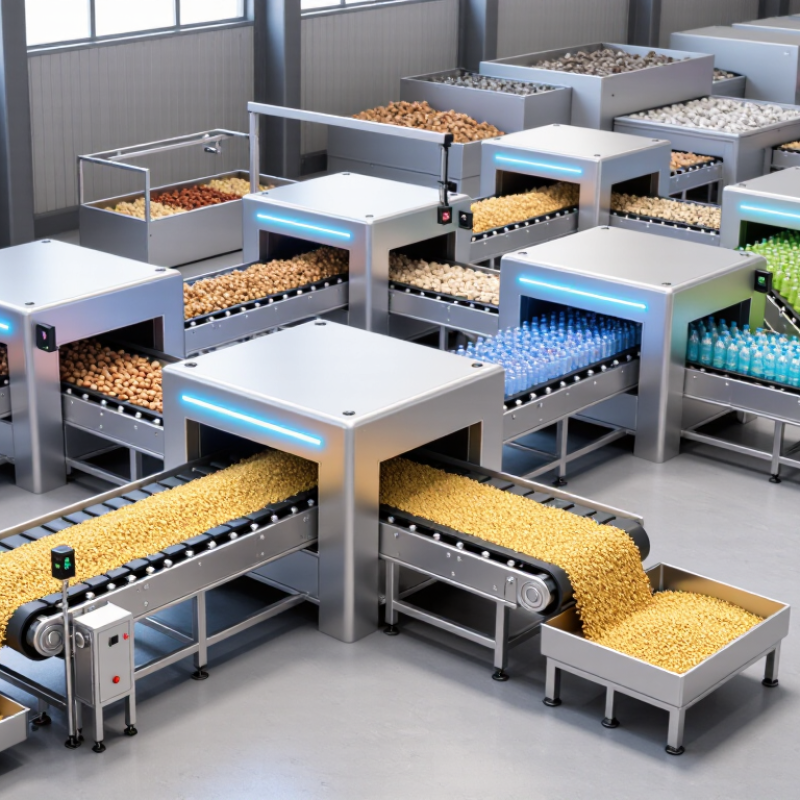
Optical Sorter Applications now reach far beyond grain processing. Across global markets, buyers use optical sorting to separate products by color, shape, size, and visible surface defects. In rice plants, a sorter can remove discolored kernels from a fast-moving stream. In nut and seed facilities, it can help identify unwanted shells or damaged pieces. Recycling operators may sort plastics by color or material characteristics, while mineral processors use systems designed for specific ores. Each task brings different demands.

China has become an important source of optical sorting equipment, offering options for food processing, agriculture, recycling, and mining. But a product listing cannot prove a machine will perform well on a buyer’s actual material. It helps to review sample-test results, sorting accuracy, processing capacity, and the supplier’s support for installation and maintenance. Ask how lighting, dust, moisture, and changes in product quality affect results. Small details matter.

No sorter solves everything. Optical systems may struggle with defects that are hidden from view, and performance can vary with feed consistency and operating conditions. That point deserves honest attention. Global buyers should compare machines using representative samples and clear acceptance criteria, rather than relying on broad claims alone. This guide introduces key applications, explains what each industry needs, and outlines practical questions for evaluating Chinese suppliers. A careful choice starts with the material—not the brochure.
China Top Optical Sorter Applications for Global Buyers

What Optical Sorters Are and How They Identify Materials

An optical sorter separates objects by reading their visible or spectral features while they move along a belt or chute. It does not understand a material as a person does. Instead, cameras and sensors measure signals such as color, shape, brightness, or near-infrared response. A processor compares those readings with set criteria, then timed air jets redirect selected pieces into another lane. Fast decisions matter. Small differences matter.

Performance depends on more than the sensor. Even feeding helps keep pieces apart, while dust, glare, moisture, and overlapping items can distort readings. For example, two grains may look similar in visible light but respond differently under near-infrared sensing. A sorter can use that contrast, though settings must match the actual material and operating conditions. Operators often check sample results and adjust thresholds after a line change. This step is not glamorous, and it can be overlooked. Even well-tuned equipment may misclassify unusual or damaged pieces, so routine checks help reveal where the system’s limits are.

How Optical Sorting Systems Separate Products by Color, Shape, and Composition

China Top Optical Sorter Applications for Global Buyers

How Optical Sorting Systems Separate Products by Color, Shape, and Composition

Optical sorters inspect products as they move along a fast conveyor belt. Cameras compare each item’s color, size, and shape against set quality limits. Near-infrared sensors can detect differences in material composition that ordinary cameras may miss. A control system then directs compressed-air jets at selected items, separating them from the accepted stream. Small differences matter. A dark spot on a nut, for example, may signal a defect, while a naturally darker piece may still be acceptable.

The method suits foods, grains, plastics, and other bulk materials, but results depend on the product and setup. Lighting, dust, overlapping pieces, and changing moisture levels can affect readings. Operators often adjust thresholds and test samples during production. It is not always clean. A sorter can flag unusual items, but people still need to decide whether those items meet buyer specifications.

The need for careful quality control is clear: FAO’s 2023 report estimated that 13.2% of food was lost after harvest and before retail in 2021. UNEP’s Food Waste Index Report 2024 estimated 1.05 billion tonnes of food waste in 2022 across households, food service, and retail. These figures do not show what optical sorting alone can prevent. They do underline why accurate inspection matters, alongside good handling and process control.

China Top Optical Sorter Applications for Global Buyers - How Optical Sorting Systems Separate Products by Color, Shape, and Composition

Application Typical Feed Material Sorting Characteristics Examples of Separation Key Buyer Considerations
Rice processing Milled, brown, or specialty rice Color cameras identify visible discoloration and surface defects; shape analysis can help distinguish grains with visibly different forms. Discolored, damaged, or chalky grains from acceptable product; foreign particles where sensor contrast permits. Match the sorter to grain size, throughput, product variety, and the defects that matter for the intended grade.
Wheat and other grains Wheat, corn, barley, and similar kernels Color and shape inspection can identify visibly different kernels and some foreign materials. Discolored kernels, certain weed seeds, and contrasting foreign material from the main grain stream. Detection depends on the contrast between the target and good product; cleaning and consistent feeding support reliable sorting.
Pulses and beans Lentils, chickpeas, peas, and dry beans Color and shape sensors inspect individual seeds; suitable optical sensors can detect some surface or material differences. Off-color, broken, shriveled, or misshapen seeds and visible foreign material. Consider seed size range, color variation within the accepted grade, and whether several varieties require different settings.
Coffee beans Green coffee beans or roasted beans Color imaging detects visible color differences and surface defects; shape inspection can identify visibly irregular beans. Discolored, broken, insect-damaged, or otherwise visibly defective beans from acceptable beans. Green and roasted beans have different appearance characteristics, so inspection settings should suit the product stage and grade.
Nuts and seeds Almonds, peanuts, sunflower seeds, and similar products Color and shape inspection identifies visible defects; sensor options vary in their ability to distinguish surface or composition differences. Shell fragments, damaged kernels, discolored pieces, and contrasting foreign material. Product orientation, kernel size, surface texture, and the nature of the target defect affect detection performance.
Fresh and frozen produce Potatoes, vegetables, berries, and cut produce Color and shape systems inspect visible surface appearance; specialized systems may assess additional spectral characteristics. Products with visible discoloration, damage, misshapen appearance, or contrasting foreign material. Account for moisture, surface variation, product fragility, and whether the line handles whole, cut, fresh, or frozen items.
Plastic recycling Sorted or mixed plastic flakes and packaging pieces Color cameras classify visible colors; near-infrared (NIR) sensors can identify many polymers based on their spectral response. Separation by color or polymer type, such as identifying common PET or HDPE pieces when supported by the system. Labels, dark or carbon-black plastics, multilayer materials, contamination, and piece size can limit identification or recovery.
Glass recycling Crushed container glass and cullet Optical color sorting distinguishes glass colors; additional sensor options may detect certain non-glass contaminants. Clear, green, and amber glass streams; selected ceramics or other visible contaminants, depending on the equipment. Particle size, dust, glass color mix, and the contaminant types to be removed should guide system selection.
Mineral and industrial materials Selected ores, industrial minerals, or sorted stone Depending on the material, color cameras or other optical sensors can use visible color, surface texture, or spectral response. Selected particles with contrasting appearance or sensor response from material with a different target characteristic. Ore and mineral response is deposit-specific; representative sample testing is important before specifying a sorting application.
Electronic and mixed-material recycling Prepared pieces of electronic or mixed recyclable material Color and shape sensors can classify visible features; NIR or other sensor types may identify selected material categories. Selected material fractions or visible contaminants, where the target pieces can be reliably recognized. Disassembly level, particle size, coatings, mixed materials, and overlapping sensor signatures affect achievable separation.

Sensor capabilities vary by system and application. Color and shape inspection rely on visible features, while material-composition sorting generally requires appropriate spectral or other material-sensing technology and application-specific validation.

Key Industries Using Optical Sorters Made in China

Chinese-made optical sorters serve food processors handling grain, nuts, seeds, and fresh produce. Cameras and near-infrared sensors can detect color, size, and surface defects as products move along a belt. This helps remove discolored kernels or stones before packing. The FAO’s 2023 report estimated that 13.2% of food was lost between post-harvest and retail in 2021. Sorting cannot prevent every loss, but it can improve inspection consistency. Small details matter.

Recycling facilities use optical systems to separate plastics by color or material type, supporting cleaner output streams. The Global E-waste Monitor 2024 reports that 62 million tonnes of electronic waste were generated worldwide in 2022; only 22.3% was documented as formally collected and recycled. Optical sorting can help identify selected materials, though complex items may need manual checks or other processing steps. Not every line fits.

In mining, sensor-based sorters can distinguish ore from surrounding rock before later processing. Buyers should assess sample material, throughput, particle size, and dust conditions during trials. A sorter’s performance depends on the actual feed, not just its sensor specifications. That limitation is easy to overlook.

China’s Key Optical Sorter Applications: Major Grain Crops

Rice, wheat, and maize are major agricultural commodities processed with optical sorting to identify and remove discolored, damaged, or foreign-material grains. The chart shows China’s 2023 crop production in million tonnes—not optical sorter sales, installations, or market share.

Source: National Bureau of Statistics of China, 2023 national economic and social development statistics. Production figures provide context for these sorting applications.

How Chinese Optical Sorter Applications Vary Across Materials and Markets

China’s optical sorter applications vary with the material, not just the machine. Grain processors may sort rice by color and shape, removing discolored kernels before packing.

A steady, thin product layer helps cameras distinguish individual pieces. Dust, broken grains, and uneven feeding can reduce accuracy, even with capable equipment.

In food plants, contact surfaces, cleaning routines, and gentle handling matter alongside sorting performance.

For plastic recycling, systems may separate flakes by color or polymer type, but labels, moisture, and mixed sizes can complicate results.

Not always. Buyers should test representative samples, including the difficult fraction, rather than relying only on a clean demonstration batch.

Mineral processors face different priorities. Ore size, surface color, and throughput influence sensor setup and air-ejection timing.

Local power conditions, available maintenance skills, and spare-part access also affect whether a system works reliably after installation. Specifications help, but they cannot predict every shift in feed quality.

I would treat sorting accuracy as a measured operating result, not a permanent promise, and record both accepted material and unwanted carryover during trials.

What Global Buyers Should Assess When Choosing a Chinese Optical Sorter

When assessing a Chinese optical sorter, start with the material it must handle, not the headline capacity. Ask the supplier to test representative samples, including pieces that vary in size, color, moisture, and surface condition. Record the feed rate, acceptable-product recovery, and rejection rate during the trial. A short demo helps.

Inspect the camera resolution, lighting setup, and available sorting parameters. These affect how reliably the system distinguishes subtle defects or similar-looking materials. Ask how often calibration is needed and whether operators can adjust settings without specialist support. Check the ejector response, too: delayed air jets can remove good pieces along with rejects. Small details matter.

Compare the tested results with your real production target, then confirm the conditions behind each figure. Clarify installation requirements, training, spare-part availability, and remote troubleshooting arrangements before ordering. Request a clear maintenance schedule and written acceptance criteria. A brochure may look precise, but it is not a production test. I would be cautious about treating one sample run as proof; actual feed conditions can be messier than expected.

Go to Top