Cabin Filter Tips for Cleaner Air in Your Car?
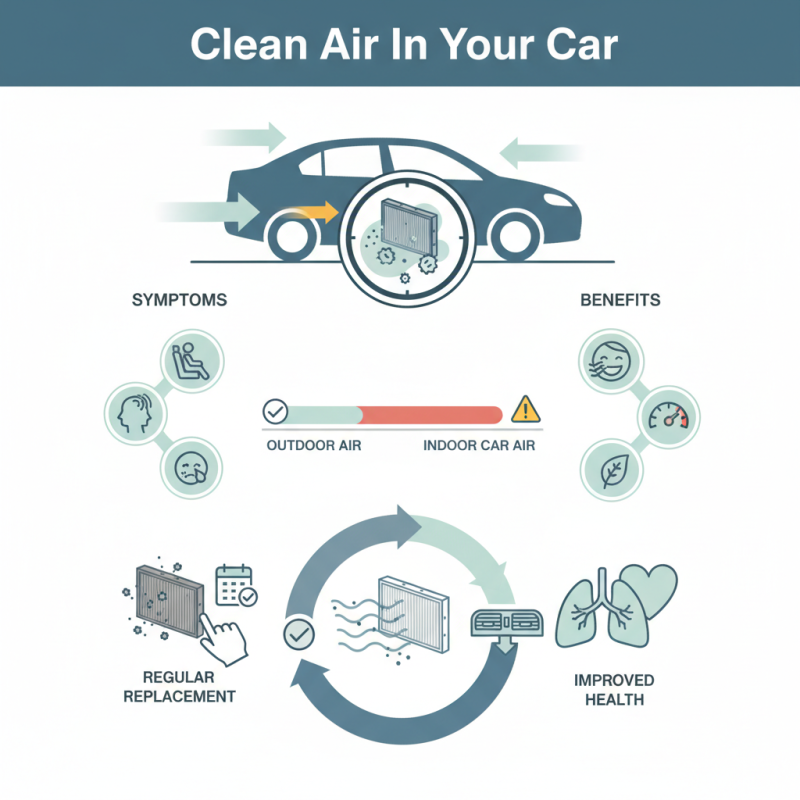
Clean air is essential for health, especially inside vehicles. A significant percentage of drivers overlook the importance of the Cabin Filter in maintaining air quality. According to a report by the Environmental Protection Agency, indoor air pollution can be two to five times higher than outdoor levels. In a closed space, such as a car, this can become even more pronounced.
The cabin filter plays a crucial role in trapping dust, pollen, and other pollutants. A clogged cabin filter can lead to increased allergens in the car. Many drivers may not even recognize the physical symptoms caused by poor air quality. They experience headaches, fatigue, or allergic reactions, often attributing them to other factors. The truth is, failing to change the cabin filter regularly can damage overall vehicle performance and reduce air quality.
Drivers often forget, or procrastinate, on this simple maintenance task. It's easy to assume that filters don’t need attention until they are visibly dirty. However, the effectiveness diminishes long before that point. Regular replacement of the cabin filter can significantly improve the air you breathe while driving. It’s a small investment for a huge difference in comfort and health.
Importance of Cabin Filters for Vehicle Air Quality
Cabin filters play a crucial role in maintaining air quality inside your vehicle. They trap dust, pollen, and other pollutants that can enter through the ventilation system. A clean cabin filter ensures that you breathe easier while driving, especially during allergy season. It significantly reduces the number of allergens circulating inside the car.
Neglecting the cabin filter can lead to unpleasant odors and a musty environment. As dirt builds up, it can block airflow. This blockage may cause your air conditioning and heating systems to work harder. More strain on these systems can lead to increased fuel consumption. Some drivers overlook regular maintenance, but it is essential to stay proactive.
Taking a moment to check your cabin filter can make a big difference. If it looks dirty or clogged, it’s time for a change. Simple maintenance can enhance your driving experience. Cleaner air inside the car contributes to overall well-being. Always brush aside the temptation to ignore this small, yet impactful, task.
Common Pollutants Targeted by Cabin Filters
Cabin filters play a crucial role in improving the air quality inside your car. They target various common pollutants that can affect your health. Dust, pollen, and mold spores are among the top offenders. These particles can trigger allergies and respiratory issues. Furthermore, smoke and unpleasant odors from outside can seep in, disrupting your driving comfort.
To maintain a clean air environment, check your cabin filter regularly. A clogged filter can lead to stale air and reduced airflow. Replace it as recommended by your vehicle's manual. This simple step can drastically enhance your driving experience. It ensures that the air you breathe is fresher.
Another tip is to avoid smoking inside your vehicle. The lingering smell can be tough to eliminate. It not only affects air quality but can also permeate the upholstery. Consider using air fresheners that target odors while you drive. These small changes can make a significant difference. Reflect on how often you clean your car’s interior. It’s easy to overlook, but it matters for both comfort and health.
How to Choose the Right Cabin Filter for Your Car
Choosing the right cabin filteris crucial for ensuring clean air in your vehicle. Car Cabin Air Filters trap dust, pollen, and other airborne pollutants. According to industry reports, adirty filter can reduce airflow by 15% or more. This means less clean air circulating inside your car. When selecting a filter, consider the type of driving you do. If you often drive in polluted areas or on unpaved roads, a higher quality filter is a must.
Look for MERV ratings to assess filter efficiency. A filter with a MERV rating of 10 to 12 captures most contaminants effectively. However, cheaper filters might not perform well and could lead to unpleasant odors or allergens lingering in the cabin. It's often tempting to replace your filter with the cheapest option available. But remember, investing in a better filter can enhance your driving experience.
Regular replacement is also key. Many manufacturers recommend changing your cabin filter every 12,000 to 15,000 miles. Ignoring this can allow harmful particles to enter your car. A neglected filter may look fine but can still be clogged. Trust your instincts on air quality. If you notice a musty smell, it’s time to check your filter. Don't settle for less; your health and comfort depend on it.
Steps for Installing and Replacing Cabin Filters
Installing and replacing cabin filters is crucial for maintaining clean air inside your vehicle. According to industry reports, around 80% of vehicles in the U.S. have noticeably dirty cabin air filters. This can lead to diminished air quality and a range of health issues. A typical cabin filter can trap dust, pollen, and other airborne particles, ensuring that you breathe easier while driving.
To start, locate the filter compartment. Usually, it's behind the glove box or under the dashboard. Removing the glove box often involves unscrewing a few screws. Once you access the compartment, a slight tug should release the old filter. Remember to observe how it fits in, as the new filter should go in the same way. Clean the area before you insert the new filter. This step often gets overlooked, but it is essential for optimal performance. Some experts suggest replacing cabin filters every 12,000 to 15,000 miles, or at least once a year, to maximize effectiveness.
After installation, check for any odd sounds or air flow changes. A poorly installed filter can lead to reduced air circulation. Don't rush this step. Make sure everything fits snugly. Air quality metrics indicate that a clean cabin filter can improve air flow by 30%. Emphasizing regular maintenance ensures not just cleaner air, but also a more enjoyable driving experience.
Cabin Filter Replacement Frequency vs. Air Quality Improvement
Maintenance Tips for Ensuring Optimal Cabin Filter Performance
A cabin filter plays a crucial role in maintaining clean air inside your vehicle. According to the American Society of Heating, Refrigerating and Air-Conditioning Engineers, nearly 25% of respiratory problems can be worsened by poor air quality. A dirty cabin filter can restrict airflow, making it harder for the heating and cooling systems to work effectively. This means more strain on your vehicle and less comfort for you.
Regular maintenance of the cabin filter is essential. Industry studies suggest replacing it every 15,000 to 30,000 miles. However, this can vary based on your driving conditions. If you often drive in urban areas with high pollution or frequently travel on dirt roads, your filter may need replacement sooner. Inspecting it periodically is wise. A visual check can reveal dirt accumulation or physical damage, which may indicate a need for timely replacement.
Keeping the cabin filter clean not only enhances air quality but can also improve fuel efficiency. A clean filter allows for better airflow, reducing the workload on the engine. This translates to better gas mileage. Yet, many drivers ignore this aspect of car maintenance. Neglecting the cabin filter might lead to more extensive repairs later. Be mindful of this simple yet critical component of your vehicle.