INDUSTRIES2023-04-26T19:33:38+00:00

Best Thermoforming Molds Manufacturers in China?

Finding dependable Thermoforming Molds manufacturers in China takes more than comparing prices or polished websites. A mold must match the material, part geometry, production volume, and forming process. Small details matter. Vent placement, cooling channels, surface finish, and dimensional tolerances can affect cycle time and finished-part consistency.

A useful supplier comparison looks beyond a catalog. Ask how the team reviews drawings, selects mold materials, and checks tooling before shipment. Request relevant project examples, inspection records, and clear answers about revisions. If possible, discuss a sample part or trial run. A smooth surface in a product photo tells only part of the story. Actual performance depends on the complete setup, including the machine and sheet material.

China offers a broad manufacturing base, but quality and communication vary between companies. Some suppliers handle design, machining, and testing in-house; others coordinate with partners. Verify who is responsible for each stage. Confirm lead times, packaging, technical support, and how design changes are documented. These checks may feel tedious. They can prevent costly surprises later.

This guide introduces manufacturers and practical criteria for evaluating them. It is not a substitute for checking current capabilities, references, and specifications directly. No supplier is ideal for every project. The right choice is the one that can explain its process clearly, show relevant experience, and support the mold after delivery.
Best Thermoforming Molds Manufacturers in China?

What Thermoforming Molds Are and How They Work

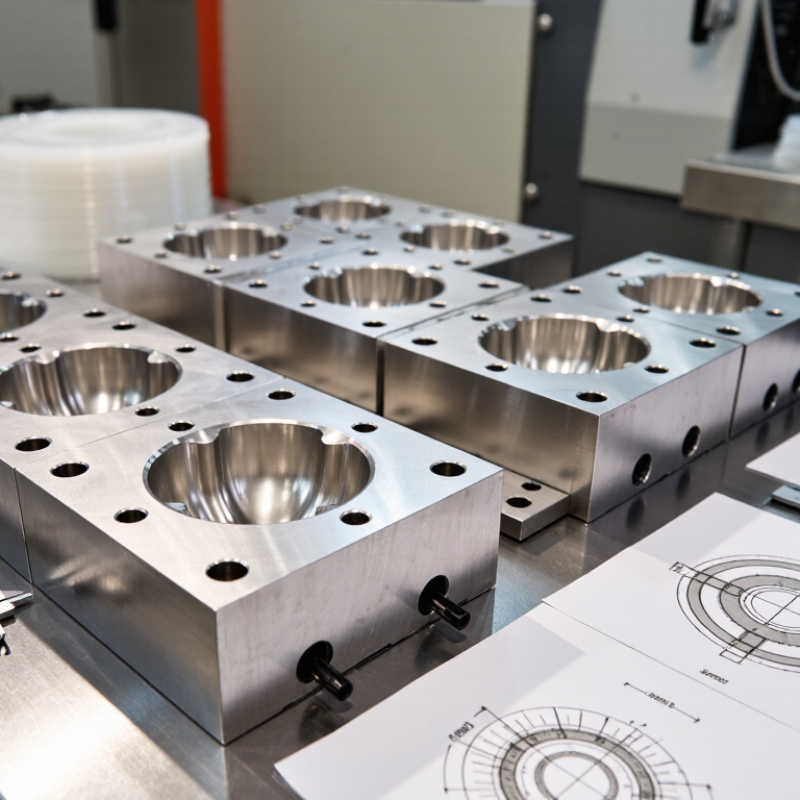
Thermoforming molds give heated plastic sheet its shape. A sheet is warmed until it becomes flexible, then drawn over or into a mold using vacuum, pressure, or both. The mold controls the product’s surface and dimensions. Cooling sets the shape before the part is trimmed. It is a simple cycle, but not a careless one.

Molds may be made from aluminum, resin, or other suitable materials, depending on production volume, detail, and budget. Aluminum transfers heat efficiently and can support repeated production. Vents help remove trapped air, while draft angles make parts easier to release. Even a small surface flaw can appear on every finished piece. Small details matter. Mold design also needs to account for material shrinkage and wall thickness; these are easy to underestimate.

Tips: Check sample parts for uneven walls, sticking, and soft edges before approving a mold. Ask how the supplier tests temperature control and vacuum performance. Share drawings that show dimensions, tolerances, and intended material. Keep one assumption open for review: a mold that works well for a prototype may need adjustment for a longer production run. The first trial is useful, not final.

Key Criteria for Evaluating Chinese Mold Manufacturers

When evaluating Chinese thermoforming mold manufacturers, look beyond the quoted price. Ask what mold material they recommend for your sheet type, production volume, and expected tool life. A clear answer should include trade-offs, not just a sales promise. For example, aluminum may support faster heat transfer, while steel can suit demanding production cycles. The right choice depends on the job.

Check how the manufacturer controls forming detail. Ask about vent placement, cooling channels, surface finish, and dimensional inspection. Request a sample part made from material close to your own. Look closely at corners, draw depth, wall thickness, and trimming edges. Small flaws matter. A thin corner may cause trouble after thousands of cycles. Review inspection records and confirm how changes are documented. Vague replies are a warning sign.

Communication is part of the tooling process. Ask who reviews drawings, how design changes are approved, and what information is needed before production starts. Visit the factory if practical, or request a live video walkthrough of machining and inspection areas. Also ask how repairs and spare components are handled. One detail can be missed. Even capable teams may underestimate a difficult shape, so a trial run and honest discussion of remaining risks are more useful than a perfect-sounding guarantee.

Best Thermoforming Molds Manufacturers in China? – Key Criteria for Evaluating Chinese Mold Manufacturers

Evaluation Criterion Suggested Weight What to Assess Evidence to Request Score
Thermoforming Process and Part Understanding 15% Ability to review the part geometry, forming method, sheet material, draw depth, draft, and likely forming challenges before tooling begins. Design-for-manufacturing review, marked-up drawings, proposed forming approach, and documented design questions or risk items. 1–5
Mold Material and Tool-Life Suitability 12% Whether the proposed mold material and construction suit the expected production volume, sheet material, operating conditions, and maintenance plan. Aluminum and steel tooling are used for different production needs. Material specification, construction details, expected maintenance requirements, and the basis for the proposed tool-life estimate. 1–5
Thermal Management and Cooling 12% How the design manages heat transfer and temperature consistency across the tool, including cooling provisions where required by the application. Cooling-channel or thermal-layout drawings, temperature-control recommendations, and trial records where available. 1–5
Vacuum, Venting, and Forming Detail 10% Whether vacuum paths and vent locations are considered for the part geometry, particularly around deep draws, corners, and fine details. Vacuum-hole or vent-layout drawing, vacuum connection details, and sample-part inspection results from a forming trial. 1–5
Dimensional Accuracy and Inspection 12% Ability to manufacture and inspect the tool against the approved drawings, datum scheme, and specified tolerances. Tolerances should be agreed for the actual design rather than assumed to be universal. Inspection plan, measurement report, calibration information for measuring equipment, and a sample dimensional report. 1–5
Surface Finish and Part Appearance 8% Understanding of the required tool-surface finish and its effect on the formed part’s appearance, release, and texture. Specified finish requirements, reference samples or finish descriptions, and agreed criteria for evaluating trial parts. 1–5
Prototype, Trial, and Validation Capability 12% Ability to conduct a tool trial, identify forming defects, make controlled corrections, and confirm the agreed acceptance criteria before shipment or production release. Trial plan, trial-part samples, defect and correction records, and customer approval procedure. 1–5
Quality Management and Documentation 8% Consistency of design reviews, revision control, inspection records, nonconformance handling, and final tool documentation. Any quality-system certification should be checked for scope and validity. Quality-system certificate if applicable, document-control process, inspection records, and a sample final tooling dossier. 1–5
Project Planning and Delivery Communication 6% Clarity of the project schedule, milestone ownership, approval points, and communication process for design changes or delays. Project schedule, milestone list, named communication contacts, and written change-control process. 1–5
After-Sales Support and Spare-Parts Planning 5% Availability of technical support, maintenance guidance, repair response, and replacement components relevant to the mold design. Support terms, maintenance instructions, spare-parts list, and process for handling tooling issues after delivery. 1–5
Total Suggested Weight 100% Apply the same criteria to every shortlisted supplier and verify claims with drawings, records, samples, or a factory assessment.

Scoring guide: 1 = insufficient evidence or major gaps; 2 = below requirements; 3 = meets documented requirements; 4 = strong evidence and capability; 5 = thoroughly verified and exceeds requirements. Calculate a weighted score by multiplying each criterion’s score by its suggested weight.

Leading Thermoforming Mold Manufacturers in China

Leading Thermoforming Mold Manufacturers in China combine practical tooling experience with careful process control. A capable supplier should discuss sheet material, part geometry, forming depth, and expected production volume before recommending a mold design. These details affect heat distribution, cooling, trimming, and cycle time. Ask how the team checks surface finish and dimensional consistency. A smooth sample is useful, but repeatable results across a production run matter more.

Tips: Share a drawing and a physical sample when possible. Confirm mold material, cooling layout, lead time, and inspection steps in writing. Ask for a trial run before approving final production.

Good communication is part of mold quality. Clear updates about design changes, test results, and open issues help prevent costly surprises. Some projects still need adjustments after the first forming test; that is normal, though it can be frustrating. Review sample parts for thin corners, uneven edges, and warping, then discuss measurable corrections with the manufacturer. Do not rely on price alone. A lower quote may omit testing or after-sales support, and those gaps are easy to overlook. A dependable partnership grows from specific requirements, honest feedback, and realistic timelines.

Comparing Manufacturers by Capabilities and Industry Focus

Thermoforming mold manufacturers in China differ less by their catalogues than by what they can repeatedly deliver. Some specialize in aluminum molds for short runs and fast design changes. Others build temperature-controlled tools for high-volume packaging, where cycle consistency and cooling layout matter. Ask whether the shop can share machining tolerances, sample-part data, and a realistic lead-time plan. Ask for proof. A polished showroom tells you little about tool maintenance after hundreds of cycles.

Industry focus changes the right comparison. Food trays need clean edges, even wall thickness, and reliable stacking; appliance panels may demand deeper draws and carefully controlled surface finishes. Medical packaging often calls for traceable inspection records and stable process settings. Check how engineers review draft angles, plug-assist needs, and material shrinkage before cutting metal. These details reveal practical experience. A low quotation can omit tryout rounds or spare inserts, so compare scope, not just price. I would still leave room for judgment: a spreadsheet cannot show how a team responds when the first formed part warps. Request a sample, discuss the failure openly, and see whether the proposed correction is specific.

How to Select and Verify a Suitable Manufacturer

Best Thermoforming Molds Manufacturers in China? How to Select and Verify a Suitable Manufacturer

A suitable mold manufacturer should understand your part, forming material, production volume, and trimming process. Share a 3D drawing and ask how the team will manage draft angles, wall thickness, vents, and cooling. Specific answers matter. Vague promises do not.

Ask whether the proposed mold material suits your expected output; aluminum may fit some runs, while other applications need a different approach. Request examples of similar parts, with confidential details removed if necessary.

Verify capability before placing an order. Review inspection records, equipment lists, and a sample process plan. Ask how the shop measures critical dimensions and handles changes after the first trial. A clear quote should identify mold scope, trial costs, delivery milestones, and who supplies trim fixtures.

Check references directly, then compare the replies with the factory’s claims. A polished brochure is useful, but it can hide gaps. If possible, inspect a first-off part and record defects such as uneven wall thickness, webbing, or poor edge trimming.

One point is easy to miss: a mold can look excellent and still run poorly with your sheet material. Treat the trial as evidence, not ceremony, and leave room for revision. A small uncertainty remains until the mold is tested under your real production conditions.

Go to Top