Best Motorized Valve Types for Optimal Control Systems?
In the evolving world of industrial control systems, the importance of selecting the right Motorized Valve cannot be overstated. Renowned expert Dr. Jane Smith emphasizes, "Choosing the right Motorized Valve is key to ensuring efficiency and longevity in your systems." This insight reflects the critical need for understanding the various types of motorized valves available today.
Motorized valves play a pivotal role in regulating fluid flow, enhancing system performance. These valves can vary significantly in design and functionality. For instance, butterfly valves, globe valves, and ball valves each offer unique advantages depending on the application. The choice can often seem overwhelming, and mistakes can lead to inefficiencies.
Though technology has advanced, users still find themselves confused. Some may overlook essential factors like pressure rating or compatibility. This can result in costly errors. It's essential to approach the selection process with a clear understanding of both the systems and the specific types of Motorized Valves available. Reflecting on your choices is crucial for achieving optimal control.
Types of Motorized Valves and Their Applications
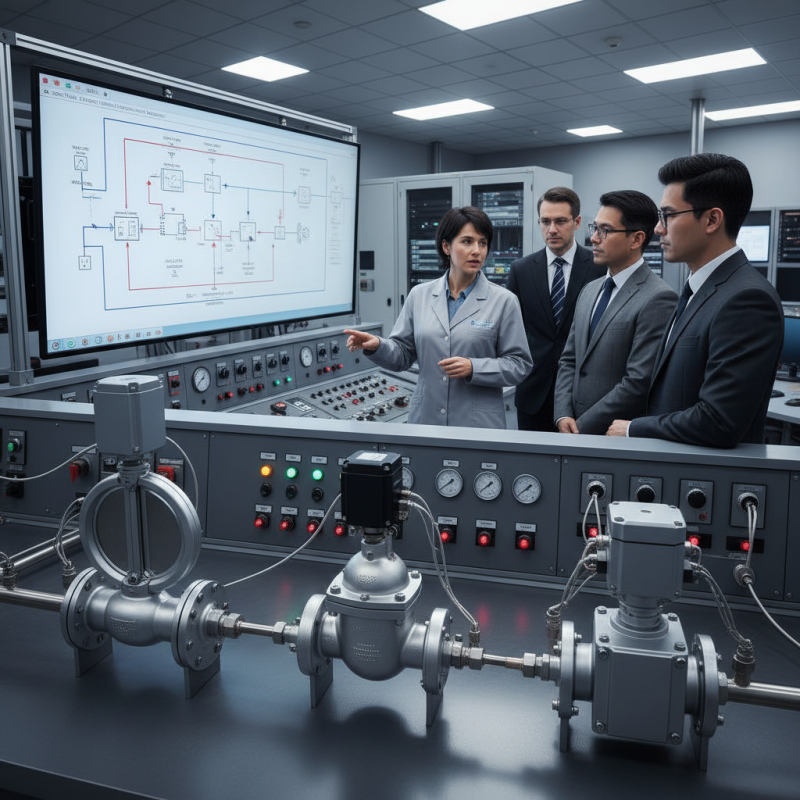
Motorized valves play a vital role in various control systems. They come in different types, each suited for specific applications. The most common types include globe valves, ball valves, and butterfly valves. Each type has distinct features that cater to varying operational needs.
Globe valves are excellent for throttling flows. They offer precise control, especially in smaller pipelines. Ball valves, on the other hand, provide quick shut-off and are ideal for on/off applications. They maintain minimal pressure drop and are efficient in many settings.
Butterfly valves are favored in large diameter applications. Their simple design allows for lightweight installation and fast operation. However, they might not provide the flow regulation of globe valves. Sizing these valves correctly can be tricky. Choosing the wrong type can lead to inefficient flow control.
It’s essential to analyze the specific requirements of the system. Understanding pressure, temperature, and medium flow characteristics is crucial. This analysis helps in selecting the right motorized valve type. While motorized valves enhance automation, improper selection can diminish system performance. There’s a constant need to reflect on choices made.
Key Features of Motorized Valves for Control Systems
Motorized valves play a crucial role in control systems. They provide automated operation for regulating flow and pressure. These valves are often employed in HVAC systems, water treatment, and industrial processes. Key features help determine their effectiveness in various applications.
One important feature is the actuator type. Electric and pneumatic actuators are common. Electric actuators are precise but may require more maintenance. Pneumatic ones offer faster response times but can be less accurate. The choice affects overall performance.
Another consideration is the valve design. Globe, ball, and butterfly valves serve different needs. Globe valves are excellent for throttling. Ball valves offer low resistance for rapid flow. Butterfly valves are space-efficient but may not handle high pressure well. Reflecting on these factors is essential for optimal system performance. Understanding the strengths and weaknesses ensures better decision-making.
Comparative Analysis of Actuator Types for Motorized Valves
When selecting actuator types for motorized valves, choices are vital. Electric, pneumatic, and hydraulic actuators each have unique features. Electric actuators are known for their precision and ease of integration. They provide excellent control over flow rates and are suitable for complex systems. However, they can be sensitive to power interruptions.
Pneumatic actuators, on the other hand, excel in rapid response. They operate using compressed air and can quickly open or close valves. This speed is beneficial in emergency situations. Yet, they require a reliable air supply, which may limit their application in some environments.
Hydraulic actuators are robust and powerful. They can handle larger valves and heavy-duty operations. However, their assembly can be complex and might require additional maintenance. The choice ultimately depends on specific system requirements and operational conditions. Considering each actuator's strengths and vulnerabilities is crucial for optimal system performance.
Best Motorized Valve Types for Optimal Control Systems
This chart illustrates the control precision of various types of motorized valve actuators used in optimal control systems. Electric actuators provide the highest precision, followed closely by hydraulic actuators, while solenoid actuators offer the least control precision.
Factors Influencing the Selection of Motorized Valves
When selecting motorized valves for control systems, several factors come into play. The application environment is crucial. Harsh conditions require robust materials. For example, stainless steel valves can withstand higher temperatures and corrosive substances. According to a report from the International Society of Automation, 45% of valve failures are linked to improper material choices. This highlights the need for thorough material analysis.
Another important factor is the valve type. Different types, such as globe, ball, or butterfly valves, offer varying flow characteristics. Globe valves are ideal for throttling, while ball valves provide quick shut-off. Understanding your system's specific requirements can lead to better efficiency and longevity. A study from the Valve Manufacturers Association noted that mismatched valve types account for 30% of operational inefficiencies.
Tips: Assess the temperature and pressure ratings before purchasing. Consider the installation space, as some types require more room. Always consult experts for selection assistance. This ensures your system functions optimally.
In addition, control protocols matter. Whether using analog or digital signals affects valve response times. Slow responses can lead to system delays. Regularly reviewing operational metrics can reveal if your current configuration meets demands. Too often, systems continue running without adaptations, leading to wasted energy and resources. Consider periodic evaluations to optimize your setup.
Best Practices for Installing and Maintaining Motorized Valves
Installing motorized valves requires precision. Proper alignment is crucial for their function. Misalignment can lead to leaks or malfunctions. Ensure the valve is installed according to manufacturer specifications. Use quality mounting brackets to stabilize the valve. Tighten all connections firmly, but don’t overtighten. A gentle hand is key here.
Regular maintenance is essential. Check for any signs of wear or corrosion. Lubricate moving parts periodically, but be careful not to overdo it. Over-lubrication can attract dirt and debris. It's vital to monitor the valve performance regularly. Watch for unusual noises or irregular operations. These could signal a need for adjustment or replacement. Keeping a maintenance log can help track these issues. It might seem tedious, but it's worth it.