Best Flexible PCBs for Your Next Electronics Project?
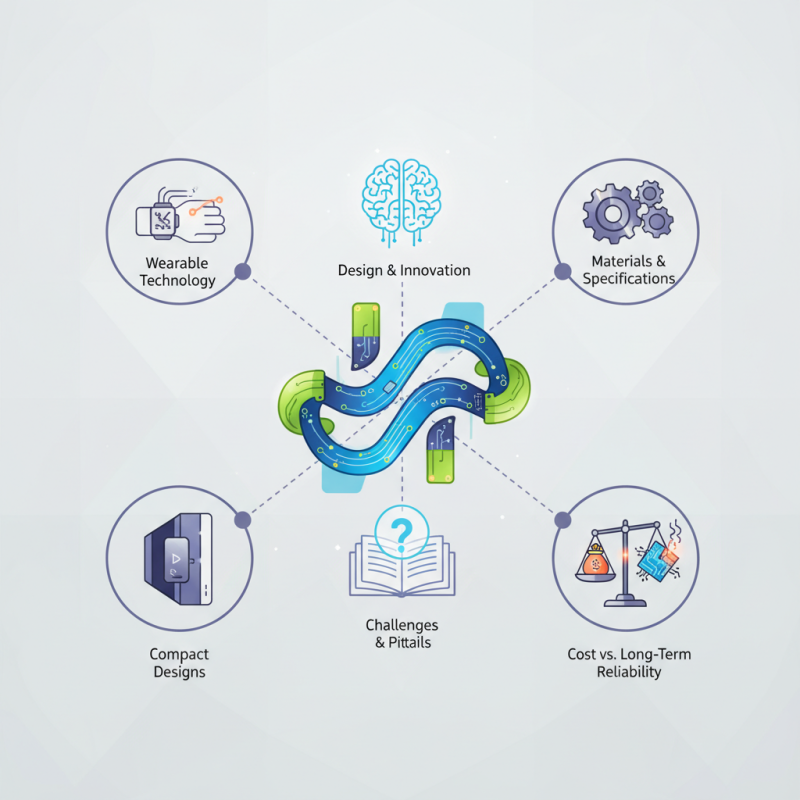
In the evolving world of electronics, understanding the best Flexible Pcbs is crucial for any project. As industry expert Dr. Emily Wang stated, "Flexible PCBs open new avenues for design and innovation." Her insight highlights the transformative potential of these components.
Flexible PCBs, or printed circuit boards, allow for design versatility that rigid boards cannot achieve. They enable compact designs, fitting into tighter spaces easily. For example, wearable technology relies heavily on these flexible options. They can bend and twist, adapting to the user's movement. Yet, challenges remain.
Not all flexible PCBs are created equal. Factors like materials and specifications can impact the performance. Sometimes, initial cost savings on cheaper models can lead to bigger issues later. Reflection on these pitfalls is critical for achieving the best results in your electronics project.
Understanding Flexible PCBs: Definition and Applications
Flexible printed circuit boards (PCBs) are unique components widely used in modern electronics. They offer the ability to bend, twist, and fold without compromising functionality. This makes them ideal for devices where space is limited. Applications often include smartphones, wearable tech, and medical devices. Designers appreciate their lightweight nature and versatility.
While flexible PCBs have undeniable advantages, challenges exist. They can be more prone to damage due to their thin structure. Harsh environments may cause wear and tear over time. Additionally, manufacturing these boards can be complex and costly. This complexity requires careful planning and design.
When integrating flexible PCBs into a project, consider the layout. A proper design enhances performance and reduces errors. Materials must also be chosen wisely for durability. Each project may require unique adjustments. Being aware of these nuances is crucial for success. Reflection and iteration will lead to a better final product.
Key Materials Used in Flexible PCBs for Electronics Projects
When planning your next electronics project, understanding the materials for flexible PCBs is crucial. Flexible printed circuit boards, or flex PCBs, offer unique advantages. They allow complex designs while saving space. Important materials include polyimide, which provides excellent thermal stability and electrical insulation. This makes it suitable for high-temperature applications.
Another vital component is the conductive layer, often made from copper. Copper is preferred for its outstanding conductivity, but it can wear down over time. The substrate's thickness influences how flexible the PCB will be. Thin substrates allow for greater bending, yet they may compromise durability.
It's essential to choose the right lamination process to ensure adhesion and overall reliability. However, variations in temperature and humidity can lead to delamination. Even with the best materials, imperfect designs might still arise. Consider prototyping if you're unsure. Reflecting on these factors will help create a more effective and reliable flexible PCB for your project.
Best Flexible PCBs for Your Next Electronics Project
| Material Type | Description | Advantages | Applications |
| Polyimide (PI) | High thermal resistance, excellent flexibility | High-temperature stability, good chemical resistance | Aerospace, medical devices, high-performance electronics |
| Polyester (PET) | Lower cost, good dielectric properties | Flexibility, lightweight | Consumer electronics, automotive applications |
| Liquid Crystal Polymer (LCP) | Excellent thermal stability and mechanical strength | Low dielectric constant, high-frequency applications | Telecommunications, RF applications |
| Bismaleimide-Triazine (BT) | Good thermal stability, chemical resistance | Suitable for high-density interconnects | Aerospace and high-performance electronics |
Advantages of Using Flexible PCBs in Modern Electronics
Flexible printed circuit boards (PCBs) are becoming essential in modern electronics. Their unique properties offer significant advantages over traditional rigid boards. One major benefit is their lightweight nature. A report from the IPC estimates that flexible PCBs can reduce weight by up to 75%. This is crucial for portable devices like smartphones and wearables.
Flexibility allows for innovative designs. This capability enables tighter packing of components. Manufacturers can create slimmer, more compact products. According to industry data, the flexible PCB market is projected to grow significantly, reaching around $31 billion by 2025. However, this rapid growth is not without challenges. Not every design may benefit from flexibility, and there can be issues with material durability.
Another critical aspect to consider is manufacturing complexity. The production process for flexible PCBs often requires more intricate techniques. Mistakes in fabrication can lead to failures, which are costly. Advancements in technology are improving these processes, but companies must remain cautious. Proper materials and designs are essential for reliable performance.
Factors to Consider When Choosing Flexible PCBs for Your Project
When choosing flexible PCBs for your electronics project, several factors demand attention. Start with the material. Common options include polyimide and polyester. Polyimide is more durable, while polyester is cost-effective. Consider the environment where the PCB will operate. High temperatures require materials that can withstand heat without degrading. In contrast, environments with moisture need moisture-resistant materials.
Next, think about the design requirements. The thickness of the PCB impacts its flexibility. Thinner boards bend better but may not handle pressure well. Also, the number of layers affects performance. Multi-layer PCBs can increase complexity, requiring careful design choices. Adhesion strength is another critical aspect. A strong bond between layers ensures longevity. Reflect on your project's specific needs, as this will guide your choices.
Finally, a budget is always a consideration. Quality often comes at a price, but balancing cost with performance is essential. Compromising on materials can lead to failures down the line. Assess your priorities and adjust your choices accordingly. It's a delicate balance, and reflection is key to making the right decisions.
Top Manufacturers of Flexible PCBs in the Electronics Industry
Flexible PCBs are essential for modern electronics. Their adaptability allows for intricate designs. Many manufacturers excel in producing these vital components.
In the electronics industry, some manufacturers focus on innovation. They create PCBs suitable for compact devices and medical equipment. This niche demands high precision and reliability. However, not all companies achieve the same standards. Some products may lack durability or flexibility.
Choosing the right manufacturer can be challenging. It often involves research and trials. Evaluate the quality of materials used. Sometimes, the cheaper options fail during testing. Thus, investing time in selection can yield better results. Understanding specific project needs is crucial. This deepens the connections between design and functionality.