
Who Is the Best Cable Gland Manufacturer in China?
Choosing the best Cable Gland manufacturer in China is not as simple as comparing prices or browsing polished product photos. A gland may look solid on a screen, yet the details matter: thread accuracy, sealing inserts, material consistency, and the fit around a real cable. Small parts carry real responsibility.
A reliable comparison starts with the application. Will the gland be used indoors, outdoors, or in a demanding industrial setting? Check the stated material, temperature range, thread options, and ingress-protection test evidence. Ask how products are inspected, whether samples are available, and if test reports match the exact model you plan to buy. A certificate alone is not the whole story. Its scope matters.
Look closely at communication, too. Clear drawings, traceable product information, and specific answers can tell you a lot before an order is placed. If a supplier cannot explain how a seal fits a cable diameter, that deserves another question. Not a quick assumption. A factory visit or sample inspection may reveal details that a catalogue misses, though neither guarantees every future batch will be identical. That is worth remembering.
There may be no single manufacturer that is best for every buyer. The right choice depends on project conditions, required documentation, order size, and support after delivery. A careful shortlist is more useful than a bold claim. This guide will examine practical ways to compare Chinese manufacturers and identify a suitable partner, while recognizing that even a strong supplier should be checked against your own technical needs.
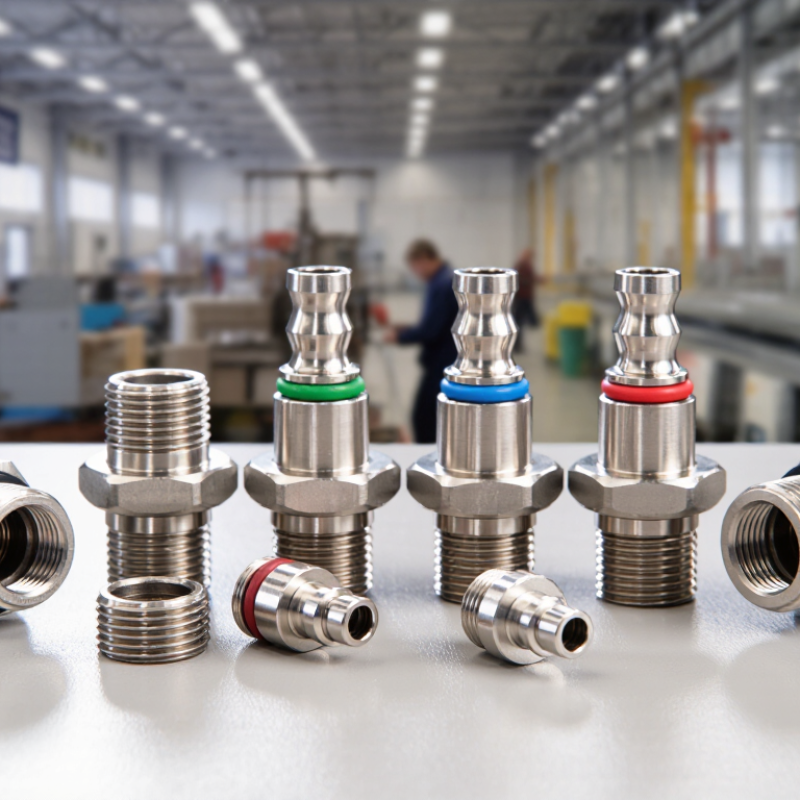
What Cable Glands Are and How They Are Used
A cable gland is a mechanical fitting that secures a cable where it enters an enclosure. It can provide strain relief, help seal out dust or moisture, and, in suitable designs, maintain electrical continuity for armoured cables. The details matter. A gland’s material, thread, clamping range, and sealing insert must match the cable and enclosure. IEC 62444 covers requirements for cable glands, while IEC 60529 defines the IP code used to describe protection against solid objects and water. An IP rating is not a promise of protection in every installation; the assembled entry must be suitable for its actual conditions.
In practice, installers check the cable’s outer diameter, enclosure entry thread, and exposure before selecting a gland. They tighten the parts to the specified method, keeping the seal aligned and avoiding damage to the cable jacket. Small mistakes can matter. A gland may feel secure yet fail to seal if the cable is undersized or the seal is pinched. The IEA’s Renewables 2023 report forecast nearly 3,700 GW of renewable power capacity additions worldwide during 2023–2028, expanding equipment needs across outdoor energy systems. That growth makes reliable cable entries important in exposed installations, though the gland alone cannot ensure system safety. The weak point is often the installation detail.
Who Is the Best Cable Gland Manufacturer in China? - What Cable Glands Are and How They Are Used
| Topic | Type or consideration | What it does | Common applications and selection notes |
|---|---|---|---|
| What a cable gland is | Cable-entry fitting | Secures a cable where it enters an enclosure, panel, or piece of equipment. Depending on its design, it can also provide sealing, strain relief, and a connection for electrical bonding or grounding. | Used on control cabinets, junction boxes, machinery, lighting equipment, and other electrical installations. A gland does not replace an enclosure’s overall protection rating. |
| Basic components | Body, sealing element, and compression parts | The body attaches to the enclosure; a seal compresses around the cable; and a nut or other compression mechanism holds the assembly in place. | Exact components vary by design. Check that the cable diameter falls within the gland’s stated clamping range. |
| Common construction | Brass or nickel-plated brass | Provides a robust metallic fitting and may support electrical continuity when correctly installed with compatible equipment. | Common in industrial installations. Consider corrosion exposure, plating, enclosure material, and any bonding requirements. |
| Common construction | Stainless steel | Offers a metallic option for installations where corrosion resistance is important. | Often considered for demanding or corrosive environments. Confirm the stainless-steel grade and compatibility with the site conditions. |
| Common construction | Polyamide or other engineering plastics | Provides a lightweight, non-metallic cable-entry option; electrical conductivity and mechanical properties differ from metal designs. | Used in many general-purpose applications. Check temperature limits, chemical compatibility, UV exposure, and required mechanical strength. |
| Cable type | Unarmoured cable gland | Clamps and seals the outer sheath of a cable that has no armour requiring termination at the gland. | Select according to the cable’s actual outside diameter, thread type, enclosure opening, and environmental requirements. |
| Cable type | Armoured cable gland | Designed to grip and terminate cable armour as well as secure the cable; some designs can provide an armour-to-equipment earth path when installed correctly. | Choose a design compatible with the cable’s armour construction and installation method. Follow the applicable wiring rules and manufacturer instructions. |
| Environmental sealing | Ingress protection (IP) | An IP rating classifies protection against access to hazardous parts, solid objects, and water under specified test conditions. | The rating applies to a defined product configuration and installation. Confirm the rating for the complete assembly, including the cable, enclosure, thread, and any accessories. |
| Hazardous locations | Certified equipment and installation | Glands intended for explosive atmospheres must meet the relevant protection concept and certification requirements for the specific application. | Verify the required area classification, equipment protection level, gas or dust group, temperature class, certificate scope, and installation instructions. A standard gland is not automatically suitable. |
| Thread selection | Metric, NPT, or other specified thread | Provides the mechanical connection between the gland and the enclosure or accessory. | Match the thread form, size, and pitch to the enclosure entry. Do not assume different thread systems are interchangeable. |
| Temperature and exposure | Operating conditions | Materials and seals determine the conditions in which a gland can maintain its intended performance. | Check the product’s stated temperature range and compatibility with oils, chemicals, weather, vibration, and other site conditions. |
| Choosing a manufacturer | Evidence of product suitability | A suitable supplier should provide clear technical data, dimensional drawings, material information, installation instructions, and applicable test or certification documents. | Compare products against the project specification rather than relying on a general “best” claim. Confirm traceability, quality controls, sample evaluation, lead times, and after-sales technical support. |
Ratings, approvals, dimensions, and material performance are product-specific. Confirm the current datasheet and applicable installation standards before selecting or installing a cable gland.