2026 Best Aluminum Foil Food Containers for Global Buyers?
Aluminum Foil Food Containers are a staple in kitchens around the globe. These containers offer convenience and versatility for food storage, preparation, and baking. In 2026, selecting the best options is crucial for both home cooks and professional chefs. A reliable aluminum foil container enhances food preservation and can withstand high temperatures, making it ideal for various cooking methods.
However, not all aluminum foil food containers are created equal. Some lack durability or have uneven coatings. Buyers should be cautious and research reputable brands. They must consider factors such as size, thickness, and intended use. This year highlights various containers that meet global standards, balancing quality and affordability.
As expectations rise, manufacturers must adapt to provide sustainable solutions. Many consumers seek eco-friendly options in aluminum foil food containers. This push for sustainability leads to innovation in material usage and design. While choices are abundant, the challenge remains to identify containers that meet both personal and environmental standards. Making informed decisions ensures that food storage remains safe, practical, and responsible.
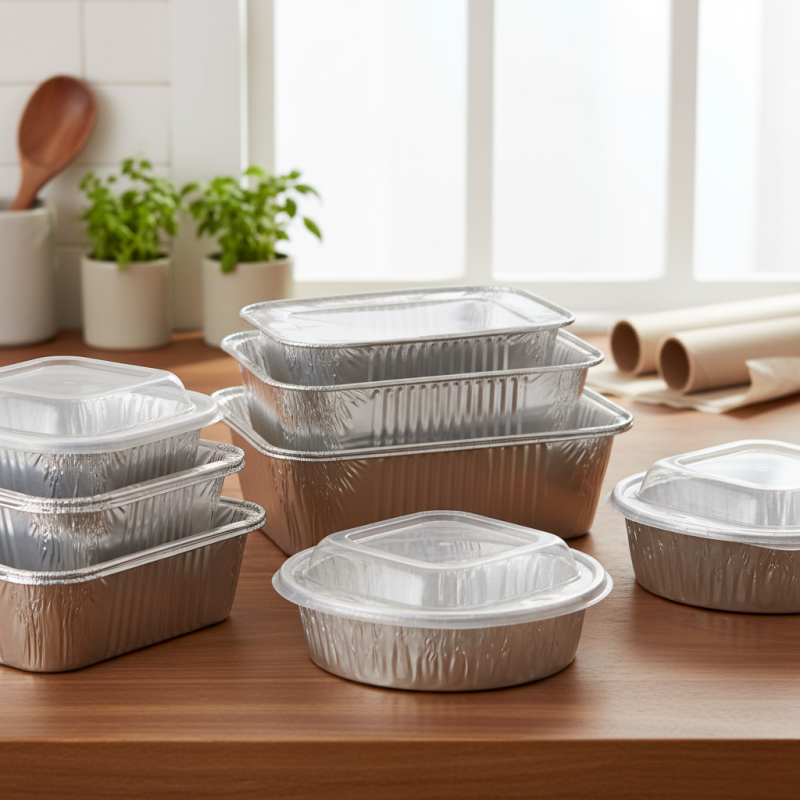
Overview of Aluminum Foil Food Containers in 2026
Aluminum foil food containers have become essential in the food packaging industry. In 2026, the demand for these containers is expected to rise dramatically. This is driven by a growing emphasis on sustainability and convenience in food storage. According to industry reports, the global aluminum foil container market is projected to grow at a CAGR of 4.5% from 2021 to 2026. This is significant as consumers shift towards eco-friendly products.
The versatility of aluminum foil containers is a key factor in their growing popularity. They can be used for various applications, from takeout meals to baking dishes. Their ability to withstand extreme temperatures makes them ideal for both freezing and heating. However, manufacturers face challenges regarding the recyclability of aluminum. While aluminum is recyclable, contamination from food remains an issue. This can hinder sustainable practices and requires focused efforts for improvement.
Another critical aspect is the balance between performance and cost. Despite their benefits, some buyers may hesitate due to higher prices compared to plastic containers. This underlines the need for suppliers to enhance their value propositions. By focusing on quality, design, and sustainability, the aluminum foil container industry can meet the evolving needs of consumers in 2026 and beyond.
Key Features to Consider for Choosing Aluminum Foil Food Containers
When selecting aluminum foil food containers, consider several key features. First, the thickness of the foil is crucial. Thicker options provide better insulation and durability. A recent industry report indicates that containers with a thickness of 0.025 mm offer a perfect balance of strength and flexibility. This thickness withstands heat while maintaining shape during use.
Another aspect to evaluate is the container’s design. It should have a secure lid that fits snugly. Containers designed this way help prevent leaks and preserve freshness. According to a survey, 75% of users reported better food preservation in containers with tight-fitting lids. Additionally, look for containers that are easy to stack. Stackable designs save space and make storage efficient.
Lastly, check the container's recyclability. Sustainable packaging is increasingly important for buyers today. Data suggests that over 60% of consumers prefer products with eco-friendly packaging. While aluminum is recyclable, the ease of recycling can vary. It’s essential to confirm that the containers you choose align with your sustainability goals.
Comparison of Popular Brands of Aluminum Foil Food Containers
When looking for aluminum foil food containers, it’s important to consider different brands on the market. Each brand offers unique features that cater to diverse needs. Some containers have a thicker gauge, which increases durability. Others focus on eco-friendliness, using recyclable materials that appeal to environmentally conscious buyers.
Not all options are perfect. Some containers may not seal as tightly, leading to potential spills. It’s crucial to read user reviews to detect these concerns before purchasing. Price differences can also raise questions about value. Cheaper options might seem appealing but can lack strength or heat resistance.
In evaluating these containers, consider what you prioritize: durability, eco-friendliness, or price. A well-informed choice can lead to better meal storage experiences. Each brand has something to offer, but careful selection is key.
Sustainability and Recycling of Aluminum Foil Food Containers
The sustainability of aluminum foil food containers plays a crucial role in modern packaging discussions. Many people overlook the recycling aspect. Aluminum is known for its recyclability. It can be recycled infinitely without losing quality. Unfortunately, not all containers end up in recycling bins. They often get mixed with general waste. This practice reduces aluminum's potential benefits.
Recycling aluminum saves energy. It uses 95% less energy than producing new aluminum from raw materials. This significant reduction helps decrease carbon emissions. Yet, there are gaps in consumer knowledge. Not all aluminum containers are clearly marked for recyclability. This can confuse buyers. Education is key to addressing these challenges.
Mindful consumption is essential in shaping a sustainable future. Consumers should be encouraged to check local recycling guidelines. Not every facility processes aluminum foil. Better labeling would help streamline recycling efforts. Overcoming these obstacles requires collaboration between consumers, manufacturers, and recycling facilities. Working together can enhance the lifecycle of aluminum food containers. Taking small steps today can lead to a more sustainable tomorrow.
2026 Best Aluminum Foil Food Containers for Global Buyers
| Container Type | Capacity (liters) | Dimensions (cm) | Sustainability Rating | Recyclability (Yes/No) |
| Rectangular Container | 1.5 | 20 x 15 x 5 | A+ | Yes |
| Round Container | 2.0 | 18 x 18 x 7 | A | Yes |
| Baking Tray | 3.0 | 30 x 25 x 4 | B | Yes |
| Takeout Container | 1.0 | 15 x 15 x 5 | A- | Yes |
| Food Wrap | N/A | 30 x 200 | A++ | Yes |
Global Market Trends for Aluminum Foil Food Containers in 2026
As we look ahead to 2026, the global market for aluminum foil food containers is poised for significant growth. This increase primarily stems from rising consumer demand for sustainable and eco-friendly packaging options. Aluminum foil is a lightweight, recyclable material, making it a popular choice in food packaging. Many consumers are becoming more environmentally conscious, driving demand for these containers.
Moreover, the convenience factor cannot be overlooked. Aluminum foil food containers are versatile and can be used for cooking, storing, and freezing. In 2026, we expect to see innovative designs that offer more efficient storage solutions. However, not all innovations will be well-received. Some may struggle with practical usability, causing a gap between design and functionality that needs addressing.
Despite the positive trends, challenges exist. Fluctuating raw material prices can affect production costs. Additionally, competition from alternative packaging solutions poses a threat. Manufacturers must navigate these issues while ensuring quality and sustainability. Overall, the aluminum foil container market presents a mix of opportunities and challenges that will shape its future.
Global Market Trends for Aluminum Foil Food Containers in 2026
This chart illustrates the projected market share percentage of aluminum foil food containers across different regions for the year 2026. Asia is expected to dominate the market, followed by North America and Europe.