Top Benefits of Using Stabilizer Transformers for Your Needs?
In today's rapidly advancing technological landscape, a Stabilizer Transformer can play a vital role in ensuring the efficiency and safety of electrical systems. Many businesses and industries depend on a steady voltage supply. Fluctuations can be damaging. This is where a Stabilizer Transformer comes into play. It not only stabilizes the voltage but also enhances the overall performance of electrical equipment.
Using a Stabilizer Transformer leads to several key benefits. For one, it protects sensitive machinery from voltage spikes and drops. These devices are designed to adapt to varying load conditions, ensuring reliability. This adaptability is essential for industries that cannot afford downtime. Additionally, they can extend the lifespan of electrical equipment, providing long-term savings.
However, not all Stabilizer Transformers are created equal. Selecting the right one requires thorough research and expert guidance. It’s crucial to consider the specific requirements of your operation. Without sufficient understanding, one could invest in an unsuitable model. Thus, gaining knowledge about Stabilizer Transformers is a necessity for informed decision-making.
What are Stabilizer Transformers and Their Functions?
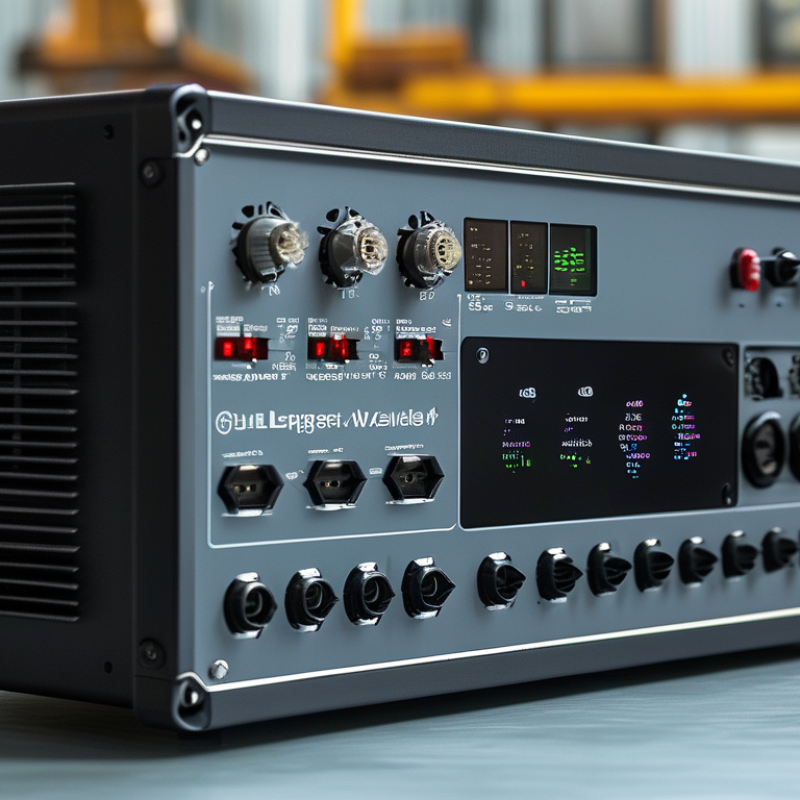
Stabilizer transformers play a vital role in electrical systems. These devices regulate voltage levels, ensuring a smooth, stable power supply. They help protect sensitive electronic equipment from voltage fluctuations. This stabilization is crucial for industries reliant on precision machinery.
The primary function of stabilizer transformers is to adjust incoming voltage. They absorb spikes and drops in electricity, providing consistent output. This consistency is essential for preventing damage to devices like computers and medical equipment. Without proper voltage regulation, systems might fail or degrade quickly.
Some installations may not adequately consider stabilizer transformers. This oversight can lead to issues such as unreliable performance and equipment failures. Proper evaluation of electrical needs is necessary. Understanding when to use these transformers can make a significant difference. It's about ensuring reliability in your electrical systems.
Top Benefits of Using Stabilizer Transformers
Key Advantages of Using Stabilizer Transformers in Electrical Systems
Stabilizer transformers play a crucial role in enhancing electrical systems. They provide consistent voltage regulation, crucial for sensitive equipment. According to a recent industry report, voltage fluctuations can cause up to 30% of equipment failure in industrial settings. Stabilizer transformers mitigate these risks effectively.
The ability to handle load variations adds significant value. These devices adjust output voltage in real time, ensuring optimal performance. This real-time adjustment can improve the lifespan of machinery and reduce maintenance costs. An analysis showed that facilities using stabilizer transformers reported a 15% reduction in operational disruptions.
Another advantage is energy efficiency. Stabilizer transformers minimize energy waste, leading to cost savings on electricity bills. A study indicated that such efficiency upgrades can lower energy consumption by up to 20%. This factor becomes increasingly important as energy costs rise. Implementing these transformers requires initial investment. However, their long-term benefits often justify the costs, particularly in industries relying heavily on electrical systems.
How Stabilizer Transformers Protect Your Equipment from Voltage Fluctuations
Voltage fluctuations can lead to significant equipment damage and increased operational costs in various industries. Stabilizer transformers serve as a critical line of defense against these fluctuations. According to a report by the International Energy Agency (IEA), up to 30% of electrical equipment failures are linked to poor voltage quality. These devices help maintain stable voltage levels, ensuring that equipment runs smoothly and efficiently.
Using stabilizer transformers can protect sensitive machinery. They adjust incoming voltage to safe levels, minimizing risks. A study by the Electrical and Electronics Engineers (IEEE) found that installing stabilizer transformers can reduce equipment wear by up to 50%, decreasing maintenance costs. In industries such as manufacturing, where downtime can lead to considerable losses, this protection is essential.
Despite their benefits, not all installations achieve optimal performance. Regular maintenance and proper selection are necessary to ensure that the transformers function effectively. Incorrect sizing can lead to inadequate voltage regulation, compromising equipment safety. Careful consideration and expert consultation are vital for maximizing the advantages of stabilizer transformers in protecting valuable assets.
Energy Efficiency: The Role of Stabilizer Transformers in Reducing Wastage
Stabilizer transformers play a crucial role in enhancing energy efficiency. These devices adjust voltage levels, which can significantly reduce energy loss in electrical systems. Research indicates that transformer energy losses can account for up to 10% of total energy use in some facilities. By using stabilizer transformers, companies can lower these losses, translating to financial savings and reduced environmental impact.
Energy efficiency is not just about cost savings; it also supports sustainability efforts. A study by the U.S. Department of Energy highlights that improving energy efficiency in industrial settings can result in a 15% decrease in energy consumption. Stabilizer transformers contribute to this by providing a steady voltage supply, which helps optimize the performance of equipment. When devices function properly, they consume less energy overall, leading to reduced wastage.
However, there are challenges in implementing these transformers. Initial installation costs can be high, which may deter some businesses. Additionally, not all facilities require stabilizer transformers; thus, a comprehensive assessment is essential before making major investments. Each scenario presents varying degrees of effectiveness based on existing infrastructure and energy needs. Balancing these factors is crucial for maximizing benefits and minimizing waste in energy consumption.
Applications of Stabilizer Transformers in Various Industries
Stabilizer transformers play a crucial role in various industries, ensuring a stable voltage supply. In manufacturing, these transformers help protect sensitive machinery. A consistent voltage reduces the risk of equipment failure. For instance, motor-driven systems benefit significantly from stabilized power. Any voltage spike can lead to costly downtime.
The healthcare sector also relies on stabilizer transformers. Hospitals need stable power for life-saving equipment. Inconsistent voltage can jeopardize patient safety. Reliable performance is essential here. Additionally, data centers depend on these transformers to ensure that servers operate smoothly. Even a minor power fluctuation can result in data loss or corruption.
Moreover, the impact on small businesses cannot be ignored. Shops and restaurants utilize stabilizer transformers to maintain consistent lighting and appliances. This not only improves customer experience but also enhances operational efficiency. However, some businesses may underestimate the importance of voltage stabilizers, leading to unexpected challenges. Proper evaluation and maintenance are necessary for optimal performance.
Top Benefits of Using Stabilizer Transformers for Your Needs - Applications of Stabilizer Transformers in Various Industries
| Industry | Application | Benefits | Voltage Range (V) |
| Manufacturing | Machinery Stabilization | Improved efficiency and reduced downtime | 110 - 480 |
| Healthcare | Medical Equipment Protection | Enhanced safety and equipment longevity | 220 - 415 |
| Telecommunications | Signal Stabilization | Consistent signal quality and lesser interference | 48 - 150 |
| Information Technology | Data Center Stabilization | Protection against surges and power fluctuations | 100 - 600 |
| Energy | Power Grid Stabilization | Increased grid reliability and performance | 20 - 400 |