Top 10 Benefits of Fiber Laser Cutting Machines for Buyers
Fiber Laser Cutting Machines have significantly changed modern manufacturing. These advanced tools offer precision, speed, and versatility in various industries. Their efficiency in cutting complex shapes has made them essential for metal fabrication and other materials.
The decision to invest in a Fiber Laser Cutting Machine comes with numerous advantages. Buyers can expect reduced operational costs due to low maintenance requirements. The high-quality finish often means less post-processing is needed. Increased production speed can lead to higher output and better profit margins.
However, potential buyers should also reflect on their specific needs. Not every business requires a high-end cutting machine. Understanding your production volume and material types is crucial. This careful consideration can help avoid overspending on unnecessary features. Ultimately, weighing the benefits against your unique circumstances will lead to more informed choices.
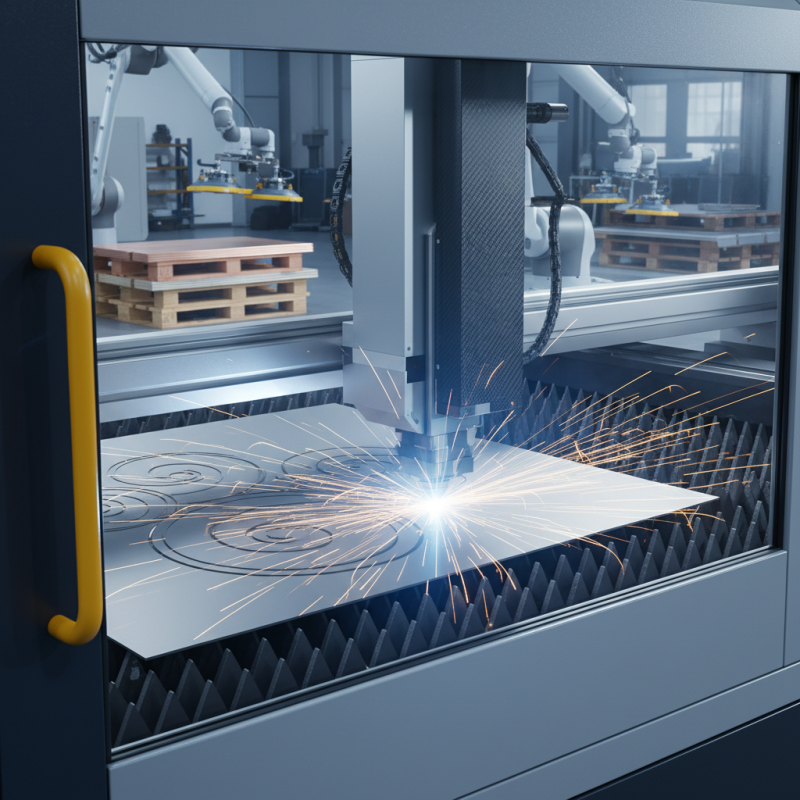
Advantages of Fiber Laser Cutting Machines Over Traditional Methods
Fiber laser cutting machines have significantly transformed the manufacturing landscape. One key advantage is their precision. Reports indicate that these machines can achieve tolerance levels of up to 0.01 mm. This level of accuracy reduces material waste, driving efficiency in production lines. Over time, manufacturers notice a decline in scrap rates, which can be as high as 20% with traditional methods.
In addition to precision, speed is another major benefit. Fiber lasers cut materials faster than traditional methods, with some cuts being completed in mere seconds. This efficiency can enhance throughput. A study highlights that production times can decrease by 40% when switching to fiber lasers. Furthermore, they require less maintenance and have a longer lifespan, further streamlining operational costs.
However, challenges exist. The initial investment for fiber laser technology can be high, leading to hesitation among some buyers. There is an ongoing learning curve involved in adapting to advanced settings. Companies may face difficulties in fully integrating these machines into their operations. Despite potential setbacks, the long-term benefits often outweigh the initial hurdles. As the industry evolves, many are starting to recognize the power of fiber lasers.
Top 10 Benefits of Fiber Laser Cutting Machines for Buyers
| Benefit | Description |
| High Cutting Speed | Fiber laser cutting machines can cut through materials faster than traditional methods, improving overall production efficiency. |
| Precision and Accuracy | These machines provide superior cutting precision, resulting in cleaner edges and reduced waste. |
| Versatility | Fiber lasers can cut a wide range of materials, including metals, plastics, and wood, making them suitable for various industries. |
| Lower Operating Costs | With lower energy consumption and minimal maintenance, fiber lasers offer reduced operating costs compared to traditional cutting methods. |
| Minimal Material Distortion | The heat affected zone is smaller, which means less distortion of materials during the cutting process. |
| Enhanced Safety | Fiber laser cutting machines are equipped with advanced safety features that minimize risk to operators. |
| Environmentally Friendly | Lower emissions and waste production during cutting processes contribute to a greener manufacturing environment. |
| Easy to Operate | User-friendly interfaces and automated functions make fiber laser cutting machines easy for operators to use. |
| Quick Setup and Changeovers | Setup time and material changeovers are significantly reduced, leading to increased workflow efficiency. |
| Long Lifespan | Fiber laser cutting machines generally have a longer lifespan compared to traditional cutting technologies, offering better return on investment. |
Enhanced Precision and Accuracy in Cutting Materials
Fiber laser cutting machines stand out for their exceptional precision and accuracy in cutting various materials. The technology works by using concentrated beams of light. This allows for intricate designs with fine details, making it ideal for industries like aerospace and automotive.
When cutting materials such as metal or plastic, traditional methods may leave rough edges. In contrast, fiber lasers produce smooth finishes. This reduces the need for additional post-processing work. Users often find that they save time and costs in projects. The precision also minimizes material waste, an important factor for eco-conscious manufacturers.
However, it’s essential to acknowledge some challenges. Operators must have proper training to maximize the machine's potential. Mistakes due to inexperience can lead to subpar results. Regular maintenance is also crucial to maintain cutting performance. Without it, the accuracy may diminish over time, leading to inconsistencies.
Increased Speed and Efficiency in Manufacturing Processes
Fiber laser cutting machines are revolutionizing manufacturing processes with their increased speed and efficiency. Unlike traditional cutting methods, these machines can achieve precise cuts much faster. The rapid movement of the laser allows manufacturers to reduce production time significantly. This speed not only enhances productivity but also lowers operational costs. Businesses can handle larger volumes without increasing staff or resources.
Additionally, the precision of fiber lasers minimizes waste. Less material is discarded during cutting, which reflects in lower procurement costs. Manufacturers often find that the initial investment in fiber laser technology pays off quickly through efficiency gains. However, transitioning to this technology can pose challenges. Staff training and adaptation to new workflows require time and effort. Companies must be willing to invest in education and possibly rethink their processes.
Observing these shifts in manufacturing is crucial. It reveals opportunities to improve and innovate within an organization. While increased speed is a clear benefit, manufacturers need to ensure quality is not sacrificed. Continuous monitoring and adjustments are essential. Emphasizing both speed and quality can lead to lasting success in a competitive landscape.
Top 10 Benefits of Fiber Laser Cutting Machines
Lower Operating Costs and Maintenance Needs
Fiber laser cutting machines have transformed the manufacturing landscape. Their operating costs are significantly lower than traditional methods. According to a recent industry report, companies can save up to 30% on energy costs with fiber lasers. This is largely due to their efficient power consumption, enabling quicker cutting speeds. Additionally, maintenance requirements are minimal, saving both time and labor costs.
The durability of fiber laser machines also contributes to their low maintenance needs. Industrial data shows that these machines can operate for thousands of hours without major issues. Their parts, like laser diodes, have longer lifespans compared to CO2 lasers. This reliability requires fewer replacements, further reducing costs.
While fiber lasers are beneficial, they still come with challenges. Initial investment can be high, making it hard for smaller businesses. However, the long-term savings often outweigh this upfront cost. And, while maintenance is lower, operators must still be trained properly to maximize efficiency. Understanding these nuances helps businesses make informed decisions about their manufacturing processes.
Versatility in Material Compatibility and Applications
Fiber laser cutting machines have gained popularity due to their versatility in material compatibility and various applications. These machines excel in cutting a wide range of materials, including metals, plastics, and ceramics. In the metal industry, laser cutting delivers high precision. According to a report from MarketsandMarkets, the global laser cutting market is expected to grow from $3.16 billion in 2021 to $5.32 billion by 2026. This growth showcases the increasing demand for fiber laser technology across different sectors.
A significant advantage of fiber laser cutting machines is their ability to handle thin and thick materials alike. They can cut mild steel up to 25 mm and stainless steel up to 20 mm with remarkable speed and accuracy. However, users need to note that achieving optimal results often requires adjustments based on material type and thickness. The reliability of fiber lasers is also a concern; while they offer lower operational costs and maintenance, improper settings can lead to subpar cuts or excessive waste. Additionally, operators need experience to maximize efficiency and reduce errors.
Manufacturers are increasingly recognizing the need for versatility. Fiber lasers can be adapted for various applications, from intricate designs in the automotive sector to large-scale industrial production. Embracing advancements in fiber laser technology reflects a shift towards greater flexibility in manufacturing processes. Nevertheless, it is critical for buyers to evaluate specific needs and potential limitations to make informed decisions on their investments.