2026 Best Welded Ball Valve Manufacturers for Global Buyers
Choosing a reliable Welded Ball Valve manufacturer requires more than comparing prices or polished factory websites. Global buyers need evidence of engineering competence, stable production, and responsible quality control. A valve may look simple, yet its body welds, seat materials, stem design, and pressure performance affect safety for years.
This 2026 guide examines manufacturers serving international industrial markets. It considers manufacturing experience, product range, welding capability, inspection procedures, and export support. Attention is given to material certificates, dimensional checks, pressure testing, and traceable documentation. These details matter. They reveal how a supplier manages risk before a valve reaches a pipeline, processing unit, or energy facility.
Real purchasing decisions are rarely perfect. A manufacturer with excellent machining may offer weaker communication. Another may provide strong documents but limited customization. Factory audits, sample testing, and technical discussions can expose these differences. Buyers should confirm applicable specifications, temperature limits, connection dimensions, coating requirements, and delivery capacity before signing contracts. Claims should be tested against records, not accepted because they sound confident.
The featured companies are evaluated through a practical, evidence-based lens. Their reputation, engineering resources, production consistency, and after-sales responsiveness all deserve attention. Independent inspection can add confidence, especially for critical projects. Still, no ranking fits every application. Service conditions change, and supplier performance can vary between orders. Use this overview as a starting point for careful verification, not as a substitute for professional engineering judgment.
What a Welded Ball Valve Is and How It Works
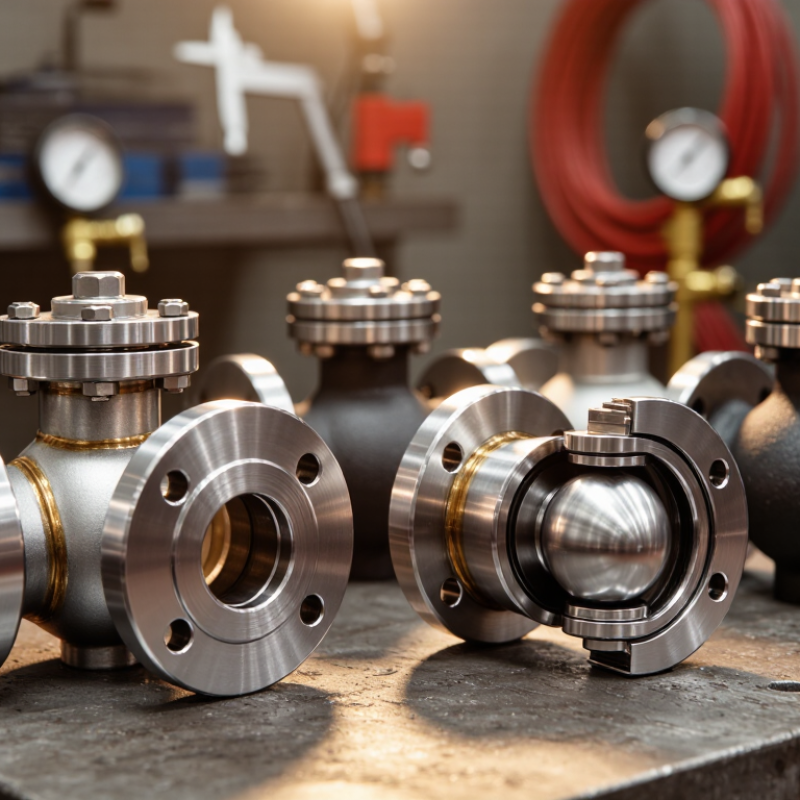
A welded ball valve is a quarter-turn isolation valve with its body permanently welded to the pipeline. Inside, a drilled metal ball rotates around a central stem. When the bore aligns with the pipe, fluid passes through with limited resistance. Turn the stem 90 degrees, and the solid side of the ball blocks the flow. The action is simple. The sealing details are not.
Seats press against both sides of the ball, creating a tight shutoff during normal service. Many designs use a full-bore passage, which helps reduce turbulence and pressure loss. In field inspections, technicians check the stem position, weld quality, seat condition, and signs of external leakage. Welded construction removes many bolted joints and can suit buried lines, high-pressure systems, and locations where maintenance access is limited.
The design is not perfect. A welded connection can improve structural continuity, but poor welding, incorrect alignment, or heat damage may create serious problems. The valve usually cannot be removed easily after installation. Thermal expansion also deserves attention, especially on long pipelines. Qualified welding procedures, non-destructive examination, pressure testing, and accurate torque control support reliable operation. A common mistake is treating the valve as maintenance-free. Its body may be permanent, yet the stem, seats, and actuator still require inspection.
Key Standards for Selecting Welded Ball Valve Manufacturers
Key Standards for Selecting Welded Ball Valve Manufacturers
Selecting a welded ball valve manufacturer requires more than comparing price or delivery time. According to a 2024 Global Market Insights report, the industrial valves market exceeded USD 80 billion in 2023 and continues expanding with infrastructure investment. That growth also increases the risk of inconsistent quality. Buyers should verify ISO 9001 certification, API 6D or ISO 14313 compliance, and pressure testing under ISO 5208. These documents reveal whether a supplier follows controlled procedures, not just attractive specifications.
Welding capability deserves close inspection. Ask for qualified welding procedures under ISO 15614-1 and welder qualifications under ISO 9606-1. Request material certificates to EN 10204 3.1, including heat numbers, chemical composition, and mechanical results. A reliable factory should also provide radiographic or ultrasonic testing records for critical welds. Check the valve body design against ASME B16.34 and confirm pressure ratings at actual operating temperatures. Small details matter. They prevent expensive field repairs.
Independent verification remains valuable. The 2023 Global Energy Monitor pipeline database reported more than 200,000 kilometers of announced gas pipeline projects worldwide, showing the scale of future valve demand. However, published market forecasts are not purchase guarantees. I have seen technically impressive files hide weak traceability. Audit the production line, review nonconformance records, and witness hydrostatic testing when possible. Some suppliers may resist. That resistance is useful information.
Leading Welded Ball Valve Manufacturers for Global Buyers in 2026
Leading welded ball valve manufacturers for global buyers in 2026 are judged beyond catalog promises. Experienced producers combine forged or cast bodies, controlled welding, and documented inspection. Their workshops should show qualified welding procedures, trained operators, and calibrated instruments. Ask to see material certificates, heat numbers, and pressure-test records. These details matter when valves face vibration, temperature changes, or corrosive service. A polished website proves little. Factory evidence matters more.
Reliable manufacturers explain how they control weld penetration, alignment, and cleaning before assembly. They use dimensional checks, shell tests, seat tests, and non-destructive examination when required. Clear reports should identify the valve, test medium, pressure, duration, and inspector. Global buyers also need practical support, including usable drawings, responsive engineers, spare-part guidance, and secure export packing. Small details count. A damaged stem or missing end cap can delay installation.
Cost still matters, but the lowest quotation may conceal weaker documentation or inconsistent tolerances. Compare warranty terms, production capacity, lead times, and batch traceability. Request samples or an independent pre-shipment inspection for critical orders. No manufacturer is perfect. Even strong factories may face delays during material shortages or engineering changes. Honest communication deserves as much attention as welding skill. Buyers should record recurring defects and challenge vague answers before approving production.
2026 Best Welded Ball Valve Manufacturers for Global Buyers
Global buyers commonly compare welded ball valves by pressure class before reviewing materials, actuation options, testing requirements, and delivery capability. The chart shows the standardized ASME pressure-class designations most frequently used for industrial valve selection. These classes are technical categories, not company or brand rankings.
The pressure classes shown are based on standard ASME B16.34 designations and are widely referenced alongside API 6D and ISO 17292 requirements for industrial ball valves. Actual pressure-temperature ratings depend on valve material, trim, temperature, size, and applicable standards.
How Manufacturers Compare on Quality, Certification, and Delivery
For global buyers, welded ball valve quality begins with material control, not polished brochures. Experienced manufacturers provide heat numbers, mill certificates, and clear body specifications. They also explain welding procedures, operator qualifications, and inspection points. Ask how they control distortion during welding. This detail often separates stable valves from attractive but unreliable products.
Certification deserves careful review. ISO 9001 can support consistent processes, but it does not automatically prove valve performance. Depending on the application, buyers may require API, ISO, ASME, or regional compliance documents. Check certificate scope, issuing authority, and expiration dates. Request pressure-test records, visual inspection reports, and traceability from raw material to finished valve. Paperwork can still hide gaps.
Delivery performance depends on planning and honesty. Compare quoted lead times with actual production capacity, not optimistic sales promises. A dependable supplier confirms weld-end dimensions, test requirements, packaging, and shipping documents before production begins. Ask for staged updates and a factory acceptance test when risk is high. Wooden crates, capped ends, and moisture protection matter during long transport. Delays still happen. A small trial order may reveal more than a confident presentation.
Global Purchasing Factors: Pricing, Customization, and After-Sales Support
For global buyers, welded ball valve pricing should be read as a total-cost decision, not a factory quote alone. I have compared offers where a cheaper valve required extra inspection, export packing, and repeated technical clarification. Ask for a clear breakdown covering materials, pressure rating, testing, documentation, delivery terms, and expected lead time. The lowest price may hide risk. A reliable manufacturer explains cost changes without vague promises.
Customization starts with service conditions, not appearance. Share media, temperature range, pressure class, pipe size, end connection, and cycle frequency. Experienced engineers can then confirm body material, seat selection, stem design, and weld details. Request drawings before production, with inspection points marked clearly. Small changes matter. A modified drain port or special coating may improve maintenance, but it can also increase sourcing complexity. I have seen buyers request unnecessary features and pay for them later. That decision deserves a second review.
After-sales support often separates a dependable supplier from a difficult one. Check response times, warranty boundaries, spare-part availability, failure analysis, and remote troubleshooting procedures. Ask whether serial numbers connect to material certificates and pressure-test records. A practical supplier keeps replacement parts identifiable and provides installation guidance in plain English. Support should continue after delivery. Still, no manufacturer can prevent every field problem. Clear responsibilities, documented acceptance criteria, and honest communication reduce disputes when conditions differ from the original specification.